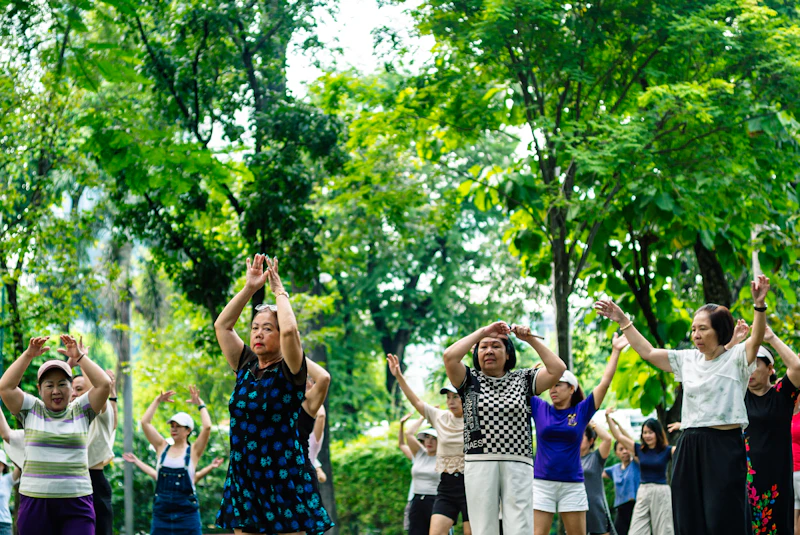
Yoga is gaining popularity among older Australians, and for good reason. When practised safely, yoga improves balance, flexibility, strength, and mental wellbeing. However, not all yoga styles are appropriate for every body, particularly in later life. This article helps you identify beneficial yoga whilst avoiding unnecessary injury risk.
Why Yoga Appeals to Older Adults
- Improves balance, reducing falls risk
- Increases flexibility and range of motion
- Builds strength without heavy impact
- Enhances breathing and body awareness
- Reduces stress, anxiety, and depression
- Provides community and social connection
- No special equipment needed; can be done at home
The Problem: High-Risk Yoga Practices
Some yoga practices and cues can be genuinely harmful, particularly for older adults. Common injuries include:
- Neck injuries from extreme head-down positions
- Spinal compression from forward bends with rounded spine
- Torn rotator cuffs from shoulder-opening poses
- Falls from balance poses attempted without support
- Stroke risk from intense neck twists
Safe Yoga Styles for Older Adults
Gentle Yoga or Senior Yoga
Specifically designed for older bodies. Includes:
- Chair-based poses for stability and accessibility
- Simplified versions of traditional poses
- Longer holds to build strength without intensity
- Emphasis on breathing and relaxation
- No deep backbends or forward folds
This is the most appropriate style for most older adults.
Hatha Yoga
Traditional, slower-paced style holding poses longer. Good if the teacher is experienced with older students and avoids problematic poses.
Iyengar Yoga
Uses props (blocks, straps, chairs) for support and alignment. Excellent for older adults when taught by experienced instructors. Props enable safer, more accessible practice.
Chair Yoga
Performed entirely whilst seated or using chair for support. Ideal for mobility limitations. Builds strength and flexibility safely.
Styles to Approach With Caution
Vinyasa and Flow Yoga
Fast-paced, continuous movement linking breath with motion. The pace and quick transitions create falls and injury risk for older adults. Only suitable for exceptionally fit, experienced practitioners.
Power Yoga or Ashtanga
Intense, challenging practices emphasising strength and speed. Inappropriate for older adults and beginners.
Hot Yoga
Performed in heated rooms (35-42 degrees). Heat increases flexibility but also increases injury risk and strains the cardiovascular system. Particularly risky for people with heart conditions or blood pressure issues.
Poses to Avoid or Modify
Avoid or Severely Limit
- Headstand or shoulderstand (neck compression, stroke risk)
- Full backbends with spine compression
- Deep forward bends with rounded spine
- Deep twists, particularly in standing
- Balance poses without accessible support
Always Modify
- Push-ups: do wall or knee push-ups instead
- Plank: modify to incline or chair plank
- Downward dog: use wall or elevated surface, or skip entirely
- Lunges: use chair for support or shorten range
Finding Safe Classes
Look for Instructors Who
- Have specific training in teaching older adults
- Emphasise modifications and use of props
- Encourage you to work at your own pace
- Avoid intense cues like "deepen the pose" or "push harder"
- Can explain WHY poses are performed in specific ways
- Offer chair versions of poses
Good Places to Find Classes
- Community centres and councils (often staff-trained in senior yoga)
- Aged care facilities and retirement villages
- Yoga studios that offer senior-specific classes
- Online classes specifically designed for older adults
- Your GP can sometimes recommend instructors
Practising Safely at Home
If you're experienced with yoga or doing gentle styles:
- Ensure your space is clear of hazards
- Place a chair nearby for balance assistance
- Keep a phone within reach
- Never practise alone if you're nervous or unstable
- Start gently and progress slowly
- Stop immediately if you feel pain or dizziness
Combining Yoga With Other Exercise
Yoga builds flexibility and some strength, but needs supplementation:
- Add cardiovascular activity (walking, swimming) 3-4 times weekly
- Include specific balance training (standing on one leg, heel-to-toe walking)
- Practise yoga 2-3 times weekly for best results
Important Note
This content is for general information purposes only and does not constitute medical advice. It is not intended to diagnose, treat, cure, or prevent any health condition. Always consult your GP or a qualified healthcare professional before making changes to your health routine, starting a new exercise programme, taking supplements, or trying any new therapy or device, particularly if you have an existing medical condition or are taking prescribed medication. The information presented here is based on generally available research and is not a substitute for professional medical guidance. Individual results vary. Aged Wellness Australia is a referral and information service and does not provide medical or clinical services.