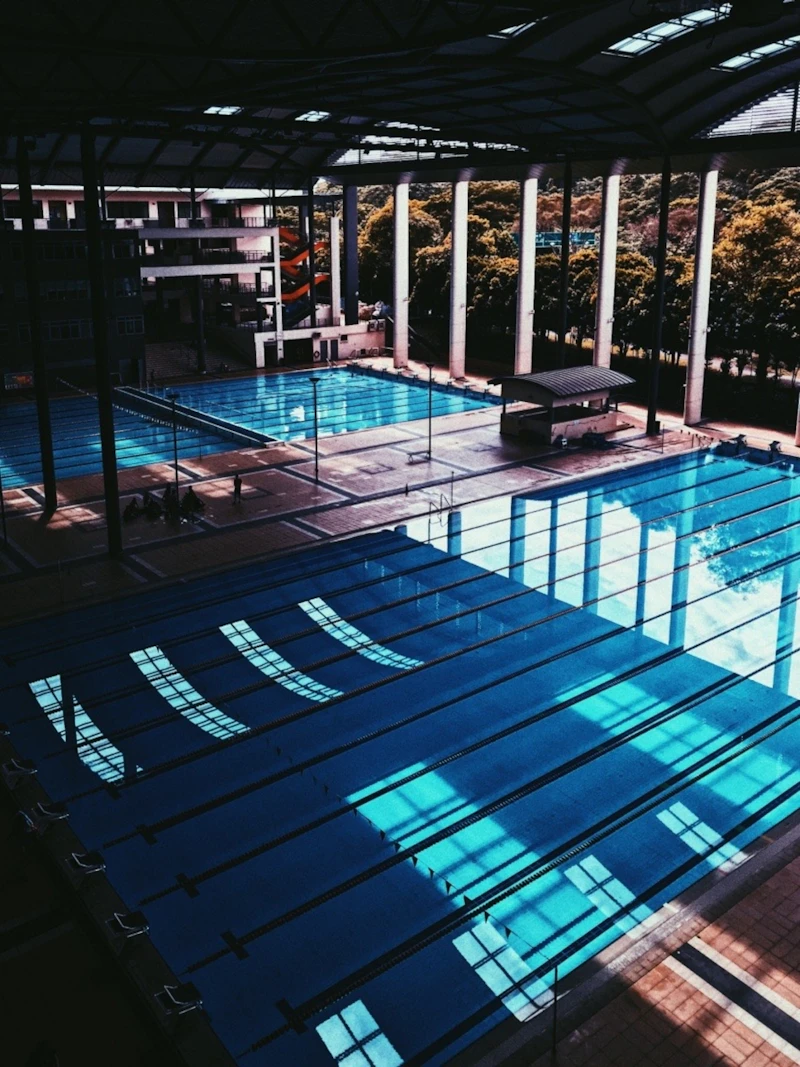
Water-based exercise is one of the most effective and enjoyable options for older Australians. Swimming and water aerobics provide excellent cardiovascular workout whilst minimising joint stress, making them ideal for people with arthritis, injury history, or mobility concerns. Whether you're a confident swimmer or nervous beginner, water offers tremendous opportunity.
Why Water Exercise Is Ideal for Older Adults
Low Joint Impact
Water supports 90% of your body weight, dramatically reducing stress on joints. This makes water exercise accessible to people with osteoarthritis, previous injuries, or pain that prevents land-based exercise.
Natural Resistance
Water resistance builds strength without heavy weights. As you move faster, resistance increases, providing adjustable difficulty.
Safety
Water supports your body, reducing falls risk. Most pools have lifeguards present, and classes are structured with safety in mind.
Excellent Cardiovascular Benefit
Despite feeling gentle, water exercise provides significant cardiovascular benefit. Your heart works harder in water because of hydrostatic pressure.
Enjoyment
Water simply feels good. The psychological benefit of pleasant, enjoyable exercise increases adherence.
Swimming: Building Confidence and Technique
Many older adults never learned to swim or lost confidence over time. It's never too late to learn.
Finding Learn-to-Swim Classes
- Most councils offer adult swimming lessons through their pools
- Classes specifically designed for older adults
- Some are subsidised or low-cost
- Search "[Your council] adult swimming lessons"
Essential Swimming Tips for Older Adults
- Start with a few widths of the pool rather than full lengths
- Use a kickboard or flotation aid if helpful
- Mix swimming strokes; variety is easier on joints
- Breaststroke and backstroke easier on knees than freestyle
- Warm up and cool down with gentle movements
- Never swim alone; always use supervised pools
Water Aerobics: Group Fun and Fitness
Water aerobics classes are specifically designed for fitness and are excellent for older adults of all swimming abilities.
What Happens in a Class
- Warm-up movements (5-10 minutes)
- Cardiovascular work using resistance and speed
- Strength exercises using water resistance
- Cool-down and flexibility work
- Total duration typically 45-60 minutes
Finding Water Aerobics Classes
- Council-run leisure centres
- Private gyms and fitness studios
- Retirement villages often offer classes
- YMCA and community fitness organisations
What to Expect as a Beginner
- Classes welcome people of all fitness levels
- You control your own intensity — go at your pace
- Instructors typically demonstrate low-impact modifications
- Social element is significant; classes build friendship groups
Aqua Walking: Simple and Highly Effective
You don't need to swim or take a class. Simply walking in waist-deep water provides excellent exercise.
- Walk briskly back and forth across the pool
- Add arm movements for upper body work
- Can be done independently or in groups
- Equally effective for cardiovascular fitness as running
- Minimal risk compared to land-based walking
Practical Considerations
Pool Temperatures
Older adults typically prefer warmer water (32-35 degrees Celsius). Warmer water also helps manage arthritis pain. Ask about heated pools in your area.
Showering and Changing
Ensure pools have accessible changing facilities, showers, and adequate seating. This logistical aspect affects whether you'll return regularly.
Cost
Council-run pools typically cost AUD 5-10 per visit or less. Memberships usually offer significant discounts. Many councils offer concession rates for seniors.
Timing
Early morning or weekday sessions are typically less crowded. This can be important if you're nervous or have mobility concerns.
Combining Water Exercise With Other Activities
Water exercise works best as part of a broader fitness plan:
- 3 sessions weekly water exercise provides good cardiovascular benefit
- Add balance and strength work on non-pool days
- Include walking or other land-based activity for bone health
- Rest days are equally important for recovery
Important Note
This content is for general information purposes only and does not constitute medical advice. It is not intended to diagnose, treat, cure, or prevent any health condition. Always consult your GP or a qualified healthcare professional before making changes to your health routine, starting a new exercise programme, taking supplements, or trying any new therapy or device, particularly if you have an existing medical condition or are taking prescribed medication. The information presented here is based on generally available research and is not a substitute for professional medical guidance. Individual results vary. Aged Wellness Australia is a referral and information service and does not provide medical or clinical services.