Falls are one of the most common causes of injury in Australian homes for people over 60. The good news is that many falls can be prevented. By making simple changes to your living space, you can significantly reduce your risk. This room-by-room guide will help you identify hazards and create a safer home environment.
Why Falls Matter for Older Adults
Falls can have serious consequences: fractures take longer to heal, hospitalisation can lead to loss of independence, and the fear of falling again can reduce activity levels. Prevention is far more effective than treatment, and it starts with your home.
The Entryway and Hallways
These spaces set the tone for safe movement throughout your home.
- Install grab rails or handrails along hallways, particularly on the side you naturally use
- Ensure hallways are well lit, with light switches at both ends
- Remove clutter, trailing leads, and loose rugs that could cause trips
- Check that door thresholds are flush or very low
- Repair loose floorboards or carpet immediately
The Bathroom: Higher Risk, Bigger Impact
Bathrooms are where many home falls occur due to wet, slippery surfaces.
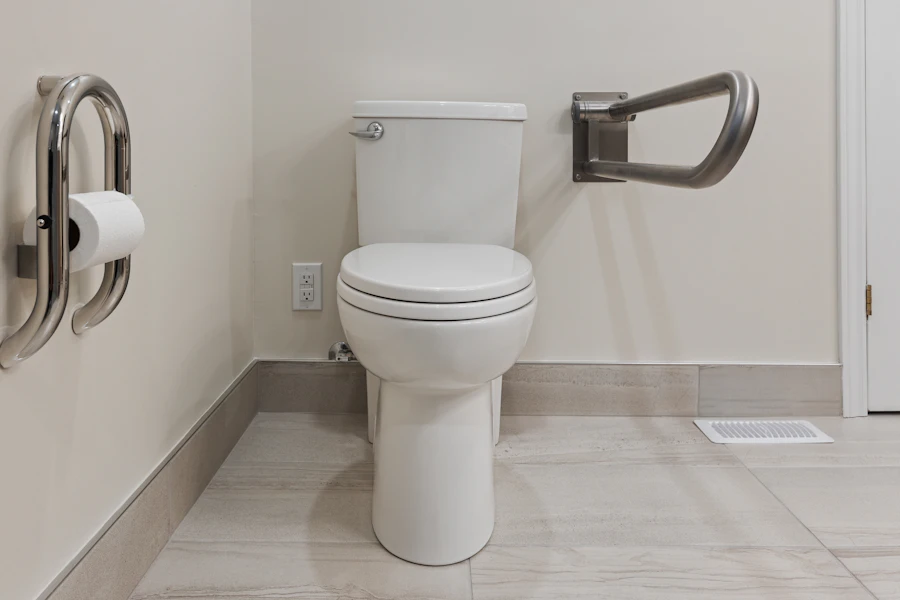
- Install grab bars beside the toilet and in the shower or bath
- Use a non-slip bath mat and shower floor stickers
- Consider a shower seat or bench for safety and comfort
- Ensure adequate lighting, including near the toilet
- Keep medications and toiletries within easy reach to avoid bending or stretching
- Wipe up spills immediately
The Kitchen
Where you prepare meals, convenience matters as much as safety.
- Store frequently used items at waist height, avoiding high shelves and low cupboards
- Ensure kitchen floors are slip-resistant; wipe spills straight away
- Keep a sturdy step stool with handrails for reaching high items, not a chair
- Wear shoes with good grip rather than slippers or socks alone
- Install good lighting near the stove and work surfaces
The Bedroom
A safe bedroom supports better sleep and easier nighttime movement.
- Position your bed at a height that allows you to sit on the edge with feet on the ground
- Install a bedside light that does not require you to reach far
- Place a small rug beside the bed for comfort, ensuring it is firmly attached
- Keep a phone or alarm within reach in case of emergency
- Ensure the path to the bathroom is clear and well lit for nighttime trips
The Stairs
Stairs deserve special attention if you have them in your home.
- Install handrails on both sides if possible
- Ensure steps are in good condition; repair any damage immediately
- Improve visibility with contrasting coloured tape on the edge of each step
- Install a light at the top and bottom of the stairs
- Consider a stair lift or chair lift if stairs become difficult
General Home Safety
Beyond individual rooms, consider these whole-home measures:
- Maintain adequate lighting throughout; consider motion-sensor lights in hallways
- Have your eyes tested regularly; poor vision is associated with increased fall risk
- Review your medications with your GP, as some may affect balance or cause dizziness
- Wear appropriate footwear; avoid loose slippers and high heels
- Keep a cordless telephone or mobile phone with you so you can call for help if needed
Getting Professional Help
You do not need to tackle home safety alone:
- Your local council often offers free or subsidised home safety assessments
- An occupational therapist can provide expert advice on modifications
- Medicare may cover some equipment if recommended by your GP
- A Chronic Disease Management Plan through your GP can help coordinate support
A Practical Step You Can Take Today
Walk through your home slowly today, imagining yourself at risk of tripping or slipping. What would catch your foot? Which surfaces are slippery? Which areas are poorly lit? Make a short list and prioritise the change that would make the single biggest difference. Small steps, taken now, can keep you safe for years to come.
Important Note
This information is general in nature and is not a substitute for professional medical advice. Please consult your GP before making changes to your health routine.