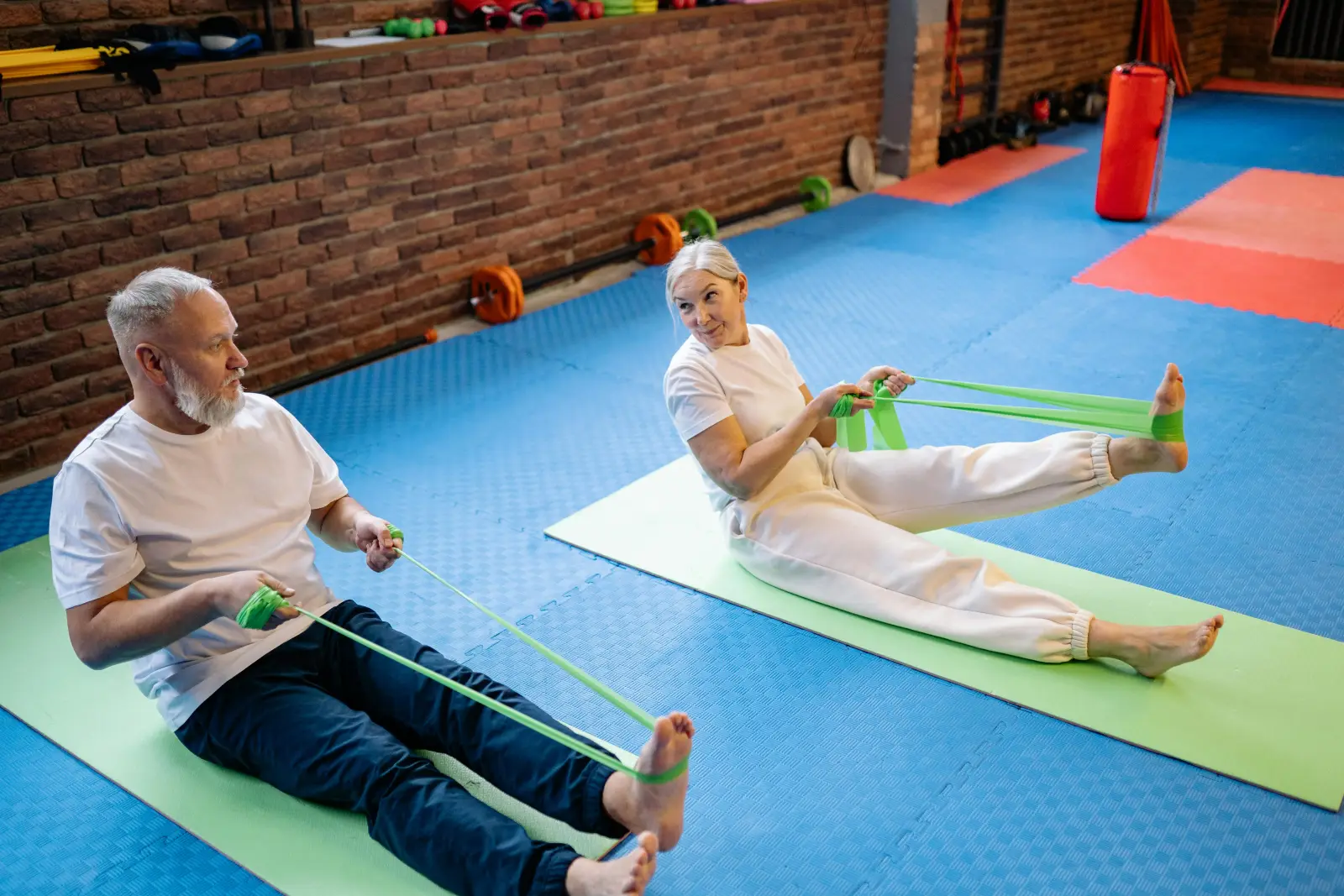
It is a common belief that strength declines with age and cannot be recovered. This is not true. Strength training for older adults is safe, effective, and life-changing. Whether you are 70, 80, or beyond, your muscles can grow stronger with the right approach. This article explains why strength matters and how to begin.
Why Strength Matters More After 70
Muscle loss accelerates after 50, but strength training can reverse this trend.
- Strong muscles help you carry shopping, lift grandchildren, and maintain independence
- Strong legs reduce fall risk and improve balance
- Strength training protects your bones, reducing fracture risk
- Stronger muscles support your joints, which may help reduce joint discomfort
- Regular strength work improves metabolism and helps maintain a healthy weight
The Science of Muscle Growth at Any Age
Your muscles respond to exercise at any age. When you challenge your muscles, they adapt by growing stronger. This process, called muscle adaptation, works the same way at 75 as it did at 25. The key is consistency and progressive challenge.
Starting Safely
Before beginning any new exercise programme:
- Consult your GP, particularly if you have existing health conditions
- Consider working with a physiotherapist or exercise physiologist initially
- Start slowly; gradual progression prevents injury and builds confidence
- Focus on proper technique rather than speed or heavy weight
Types of Strength Training
You have several options:
Bodyweight Exercises
Use your own body as resistance. Examples include:
- Wall push-ups or counter push-ups
- Sit-to-stand exercises from a chair
- Squats against a wall or holding a bench
- Step-ups on a low step
Resistance Bands
Affordable, portable, and adjustable resistance. Great for home use and travel.
Free Weights
Light dumbbells or household items like cans of beans. Start very light; 0.5 to 1 kilogram is fine.
Machines at a Gym
Guided machines provide safety and support, making them ideal for beginners.
Professional Supervision
Working with a physiotherapist, exercise physiologist, or personal trainer experienced with older adults ensures you exercise safely and progress effectively.
A Simple Strength Routine to Start
Perform these exercises two to three times per week, with rest days between sessions. Do eight to twelve repetitions of each exercise, moving slowly and deliberately.
- Chair stands: Sit in a sturdy chair, stand up fully, and sit back down. Hold the chair for balance if needed.
- Wall push-ups: Place your hands against a wall at shoulder height and push yourself away, then back towards the wall.
- Squats: Stand with feet hip-width apart, bend your knees as if sitting back into a chair, keeping your chest upright, then return to standing.
- Single leg balance: Hold a bench or wall and stand on one leg for 10 to 30 seconds.
Progressive Challenge
As you grow stronger, gradually increase the difficulty:
- Add more repetitions
- Increase the weight slightly
- Reduce reliance on support
- Try more challenging exercises
Recovery and Nutrition
Building strength requires more than just exercise:
- Rest between strength sessions; muscles grow during recovery, not during the workout
- Eat adequate protein; your muscles need it to repair and grow
- Stay hydrated
- Get sufficient sleep
The Timeline for Results
Do not expect overnight changes. Strength improvements typically appear after two to four weeks of consistent training. After two to three months, you will likely notice real differences in your daily life: climbing stairs becomes easier, carrying shopping is less tiring, and your confidence grows.
Why Consistency Wins
The secret to building strength at any age is consistency. Two sessions per week, done year after year, produces far better results than an intense burst of activity followed by inactivity. Start now, start small, and trust that your efforts will pay off.
Important Note
This content is for general information purposes only and does not constitute medical advice. It is not intended to diagnose, treat, cure, or prevent any health condition. Always consult your GP or a qualified healthcare professional before making changes to your health routine, starting a new exercise programme, taking supplements, or trying any new therapy or device, particularly if you have an existing medical condition or are taking prescribed medication. The information presented here is based on generally available research and is not a substitute for professional medical guidance. Individual results vary. Aged Wellness Australia is a referral and information service and does not provide medical or clinical services.