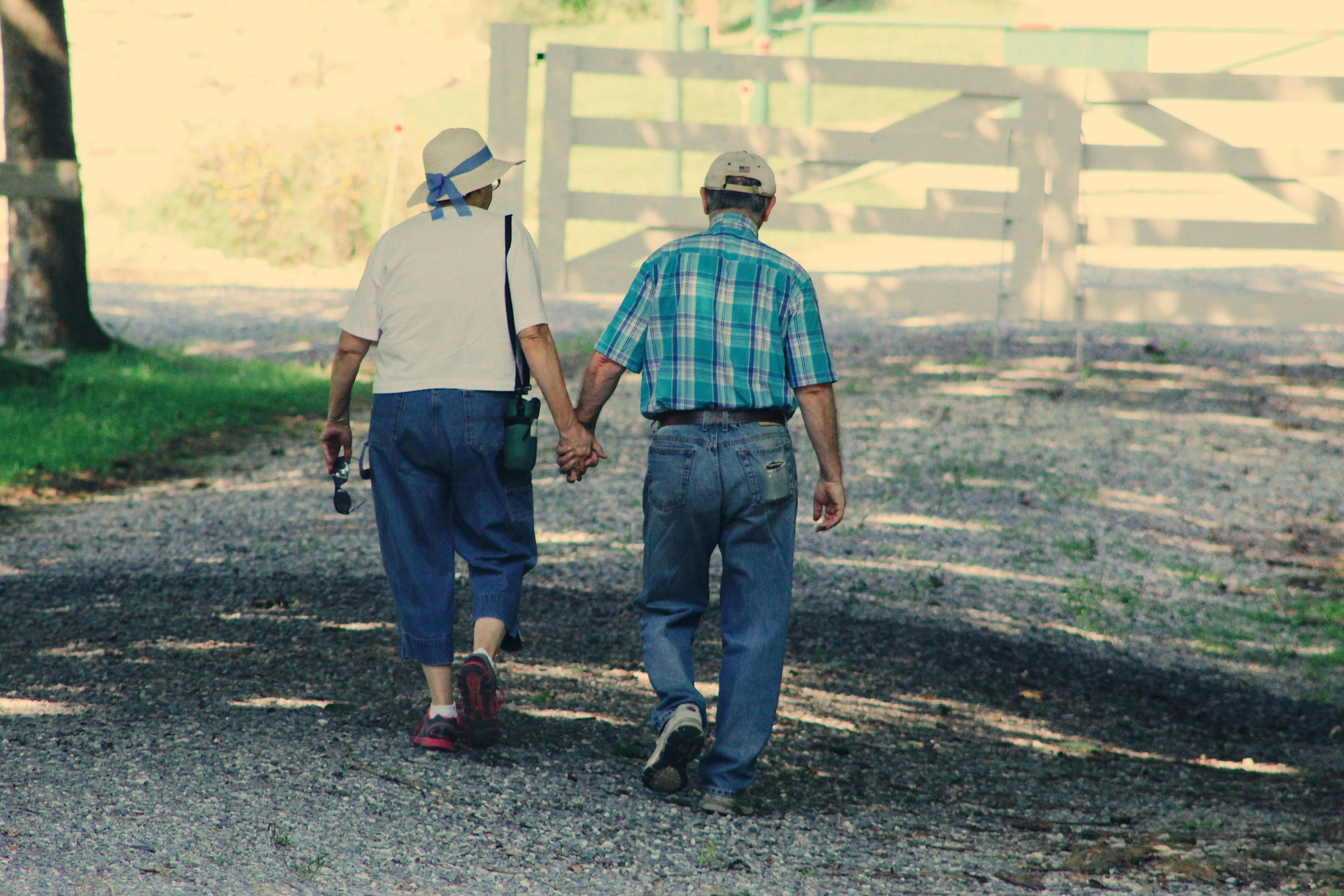
Walking is the most accessible, effective, and underrated health intervention available to older Australians. Unlike gym memberships or fancy equipment, you can walk from your front door today. Yet confusion persists about how much walking is actually necessary for health benefit. This article clarifies evidence-based walking targets and practical strategies for making walking a sustainable habit.
Why Walking Matters After 60
Walking is one of the few activities that simultaneously benefits multiple body systems:
- Cardiovascular health: reduces risk of heart disease, stroke, and high blood pressure
- Bone and muscle strength: prevents osteoporosis and falls
- Balance and coordination: essential for independence and injury prevention
- Weight management: walking burns calories and supports healthy metabolism
- Mental health: reduces depression, anxiety, and cognitive decline
- Blood sugar control: helps manage diabetes risk and glucose regulation
The Evidence-Based Walking Target
Current guidelines from the Australian Department of Health recommend at least 150 minutes of moderate-intensity aerobic activity per week for older adults. Translated into walking terms:
- 150 minutes weekly equals roughly 30 minutes, 5 days per week
- Alternatively, 75 minutes weekly of vigorous-intensity walking
- Or a combination of moderate and vigorous activity
Importantly, this target is a minimum. More movement provides greater benefits, particularly for bone and muscle health.
What Does "Moderate Intensity" Actually Mean?
Walking at moderate intensity means you can talk whilst walking, but not sing. More technical definitions include:
- Heart rate at 50-70% of your maximum heart rate
- Noticeable breathing effort, but able to maintain conversation
- Walking at 3 to 4 kilometres per hour (a brisk walk)
A leisurely stroll provides mental health and social benefits but doesn't meet aerobic exercise targets.
Building a Walking Habit
Start Where You Are
If you're currently sedentary, begin with shorter walks (10-15 minutes) and gradually increase. Building habit matters more than hitting targets immediately.
Make It a Non-Negotiable Appointment
Schedule specific walking times, like you would a medical appointment. Same time, same day creates habit.
Walk With Others
Social motivation is powerful. Council-run walking groups, parkrun, or friends create accountability and enjoyment.
Vary Your Routes
Different scenery keeps walking interesting and engages your attention, which benefits your mind.
Use Technology Appropriately
Fitness trackers and step counters can provide motivation but aren't essential. Walking remains beneficial whether you measure it or not.
Walking Safety and Practicality
Footwear
Proper walking shoes prevent injury. Look for cushioned soles, good arch support, and secure fastening.
Weather Considerations
Australia's heat creates challenges. Walk early morning or late afternoon in summer. Seek shade where possible and stay hydrated.
Terrain and Falls Prevention
Uneven surfaces increase falls risk. Stick to footpaths in areas with adequate lighting. Consider Nordic walking poles for balance and confidence.
Medical Limitations
If arthritis, joint pain, or other conditions limit walking, discuss alternatives with your GP. Water walking, stationary cycling, or other low-impact options may be appropriate.
Combining Walking With Strength and Balance Training
While walking alone provides cardiovascular benefit, optimal health in later life requires strength and balance work too:
- Twice weekly: balance and strength exercises (even 10 minutes helps)
- Examples: standing on one leg, wall push-ups, squats, step-ups
- Tai chi, yoga, or functional training classes provide structured options
Making Walking Sustainable
The best exercise is the one you'll actually do. Consider:
- Walking routes near your home (convenience matters)
- Walking with friends or groups (social motivation)
- Walking for a purpose (to shops, to meet someone) feels less like exercise
- Gradual progression, avoiding dramatic increases that cause burnout or injury
Important Note
This content is for general information purposes only and does not constitute medical advice. It is not intended to diagnose, treat, cure, or prevent any health condition. Always consult your GP or a qualified healthcare professional before making changes to your health routine, starting a new exercise programme, taking supplements, or trying any new therapy or device, particularly if you have an existing medical condition or are taking prescribed medication. The information presented here is based on generally available research and is not a substitute for professional medical guidance. Individual results vary. Aged Wellness Australia is a referral and information service and does not provide medical or clinical services.