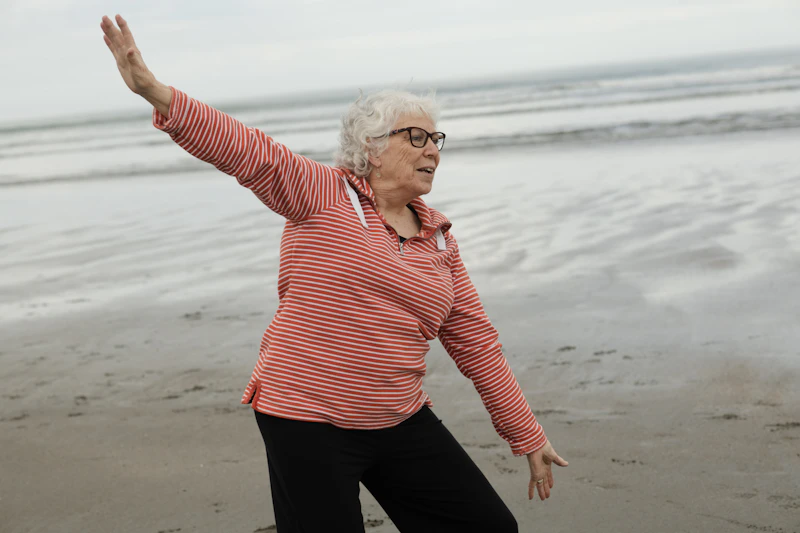
Tai Chi is increasingly recognised as one of the most valuable forms of exercise for older adults. Combining gentle movement, balance training, breathing, and mindfulness, Tai Chi offers benefits unsurpassed by most exercise modalities. This article reviews the evidence and helps you access Tai Chi in your community.
What Is Tai Chi?
Tai Chi (also spelled Tai Chi Chuan) is a Chinese martial art practised as a slow, flowing series of movements. Modern Tai Chi for health emphasises:
- Slow, controlled movements (typically 3-5 minutes per sequence)
- Balance and coordination
- Weight transfer and stability
- Breathing and relaxation
- Mindfulness and presence
Unlike martial arts training, health-focused Tai Chi emphasises peaceful, meditative practice rather than combat applications.
The Research: What Evidence Shows
Falls Prevention
Research consensus is strong: Tai Chi reduces falls risk significantly.
- Reduces falls by 20-50% in regular practitioners
- Improves balance and proprioception (body awareness)
- Particularly effective when practised regularly (at least 2 times weekly)
- Benefits persist and even improve over years of practice
Bone Health
Tai Chi slows bone loss and may modestly increase bone density.
- Weight-bearing movement stimulates bone formation
- Improvements more modest than high-impact exercise, but valuable
- Safer than high-impact exercise for older, frailer adults
Cardiovascular Health
Regular Tai Chi practice improves multiple cardiovascular measures:
- Modest reductions in blood pressure
- Improved heart rate variability (marker of heart health)
- Enhanced circulation and oxygen delivery
- Some evidence of improved cholesterol profiles
Strength and Flexibility
Tai Chi builds functional strength and maintains flexibility:
- Lower body strength improvement comparable to moderate exercise
- Maintains and improves flexibility, particularly hips and legs
- Benefits cumulative over months and years
Mental Health
Tai Chi's psychological benefits rival its physical effects:
- Reduces depression and anxiety consistently across studies
- Improves sleep quality and insomnia
- Enhances cognitive function and memory
- Lowers stress hormones and promotes relaxation
- Increases sense of wellbeing and life satisfaction
Dementia and Cognitive Decline
Emerging evidence suggests Tai Chi may help protect cognitive function:
- Regular practice associated with slower cognitive decline
- Combination of physical movement and mindfulness both contribute
- Safe for people with mild cognitive impairment
Why Tai Chi Works So Well for Older Adults
Low Injury Risk
Tai Chi's slow pace and supported transitions mean very low risk of acute injury. No jumping, no twisting, no jarring movements.
Suitable for Any Fitness Level
Tai Chi can be modified for any ability. Beginners and advanced practitioners practise together, each at their own level.
Immediate Relaxation Response
The meditative quality activates the parasympathetic nervous system, creating calm even during the first session.
Community
Group Tai Chi classes provide regular social contact, which itself is health-protective for older adults.
Progressive Benefit
Unlike some exercise that plateaus, Tai Chi practice deepens and improves continuously. Even after years, practitioners report ongoing benefit and discovery.
Finding Tai Chi Classes in Your Community
Best Places to Look
- Local council community centres — often offer subsidised classes
- Retirement villages and aged care facilities
- Libraries — sometimes host community groups
- Community health centres
- University of Third Age (U3A) programmes
- Neighbourhood centres
Choosing a Class
Look for:
- Classes specifically for older adults or beginners
- Instructors with relevant experience (not just martial arts trainers)
- Classes held regularly (consistency is important)
- Affordable or subsidised fees
- Welcoming, inclusive atmosphere
- Opportunity to observe a class before joining
Starting Tai Chi: What to Expect
First class experience typically includes:
- Brief explanation of Tai Chi and its benefits
- Gentle warm-up movements and breathing exercises
- Learning one simple sequence (3-5 movements)
- Cool-down and relaxation
- Total duration typically 45-60 minutes
Don't expect to "get it right" immediately. Tai Chi is a practice, not a performance. Improvement comes gradually over weeks and months.
Common Questions
Do I Need to Be Flexible or Fit to Start?
No. Tai Chi develops flexibility and fitness. You begin where you are.
Can I Do Tai Chi If I Have Joint Problems?
Yes. Movements can be modified to avoid problematic joints. Discuss limitations with your instructor.
How Long Until I Feel Benefits?
Mental health benefits appear within weeks. Physical improvements (balance, strength) typically take months. Stick with it; cumulative benefit is substantial.
Is Tai Chi Expensive?
Council-run classes are typically AUD 5-10 weekly. Some are free. Avoid expensive DVD courses when free classes are available.
Combining Tai Chi With Other Exercise
Tai Chi is excellent alone but works best as part of broader fitness:
- Tai Chi 3 times weekly provides foundation
- Add walking or swimming for cardiovascular fitness
- Include strength exercises for upper body
- Integrate with medical care for chronic condition management
Important Note
This content is for general information purposes only and does not constitute medical advice. It is not intended to diagnose, treat, cure, or prevent any health condition. Always consult your GP or a qualified healthcare professional before making changes to your health routine, starting a new exercise programme, taking supplements, or trying any new therapy or device, particularly if you have an existing medical condition or are taking prescribed medication. The information presented here is based on generally available research and is not a substitute for professional medical guidance. Individual results vary. Aged Wellness Australia is a referral and information service and does not provide medical or clinical services.