
World Osteoporosis Day falls on 20 October, and it shines a light on something most of us never think about until it cracks: our bones. Bone strength declines gradually with age, particularly for women after menopause, and because the process is silent, the first sign of trouble is often a fracture from a minor fall. The good news is that bones respond to how you use them at every age, and spring is a fine season to start using them well.
Bones are living tissue, not scaffolding
It is easy to picture the skeleton as a fixed frame, but bone is living tissue that constantly renews itself, and it adapts to the loads you place on it. From around midlife, most people lose bone faster than they rebuild it. That is normal, and the pace varies from person to person. What matters is the balance between the strength you bank and the strength you spend, which is why Australian physical activity guidelines encourage regular weight-bearing and strength activity throughout later life. Think of every active day as a small deposit in an account you will draw on for decades.
Weight-bearing movement asks bones to grow
Bones strengthen when they are asked to carry you against gravity. Walking, dancing, stair climbing, tennis, golf without the cart and lawn bowls all count as weight-bearing activity, while swimming and cycling, excellent as they are for the heart, ask less of the skeleton. Research suggests that regular weight-bearing and resistance exercise is associated with maintaining bone density in older adults. The practical translation is simple: most days, spend some time on your feet doing something a little more demanding than a stroll to the letterbox.
Strength work protects the frame around the bone
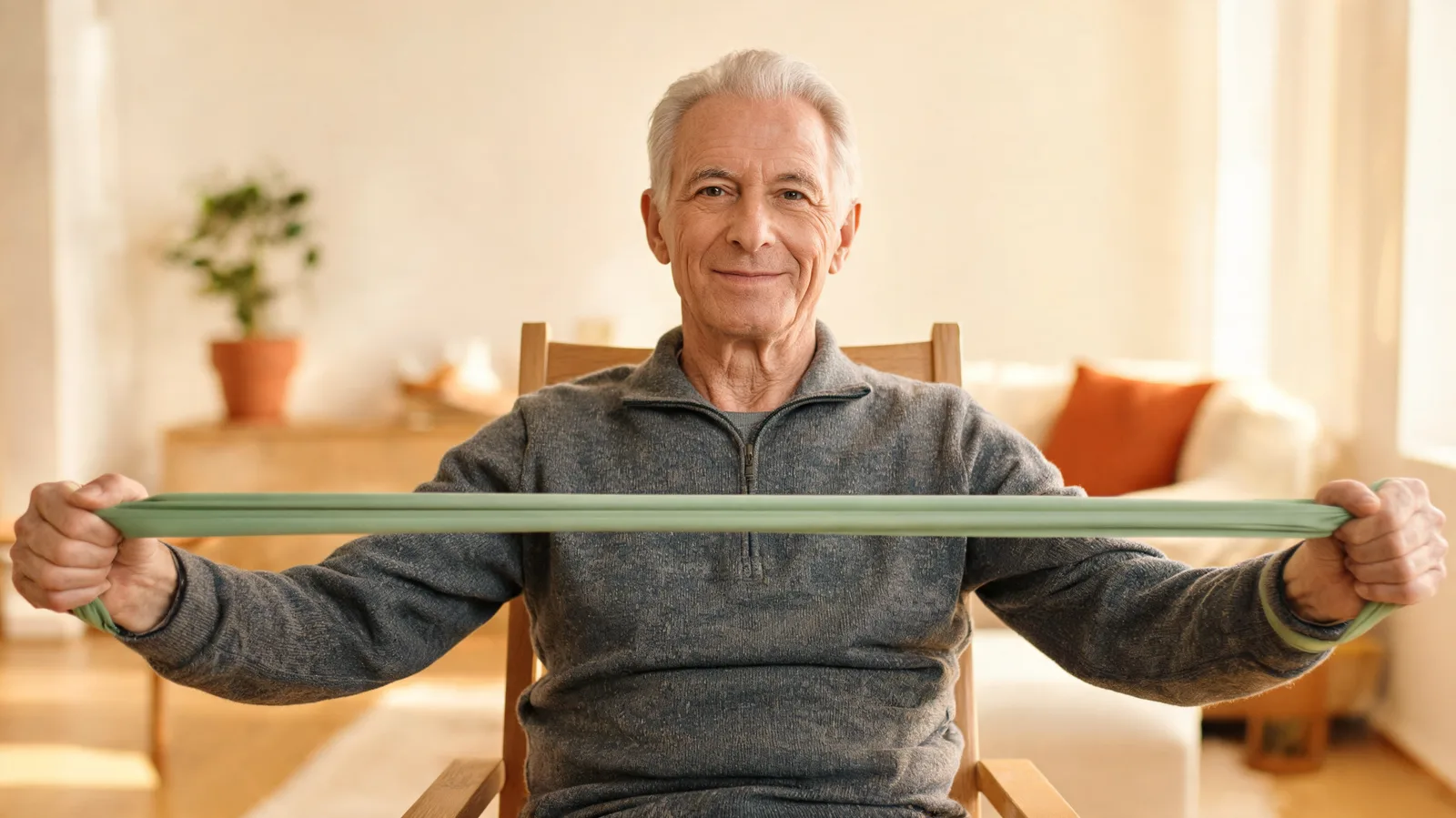
Muscles and bones are a partnership. Resistance exercise, whether with light hand weights, resistance bands, or simply sit-to-stand repetitions from a firm chair, builds the muscle that supports and loads your skeleton. Strong legs and a steady core also make a fall less likely in the first place, and falls, not fragility alone, are what turn thinning bones into broken ones. If you read our earlier piece on balance training, this is where that work quietly pays its dividend. Two short sessions a week is a worthwhile target, and a physiotherapist or an exercise physiologist can tailor a programme to your starting point if you are unsure where to begin.
Feed the process, sensibly
Exercise gives bones the signal to strengthen, and nutrition supplies the materials. Calcium-rich foods such as dairy, tinned fish with bones, and leafy greens, along with sensible sunlight for vitamin D, support the process; we covered the nutrition side in detail in our earlier article on vitamin D and calcium, so consider this a friendly reminder rather than a lecture. Australian dietary guidelines note that many older adults fall short on calcium, so it is worth an honest look at your week's meals.
Ask about a bone density check
Because bone loss is silent, measurement matters. A bone density scan is quick and painless, and Medicare supports scans in a range of circumstances, including for many people aged 70 and over. If you have had a fracture from a minor fall, have a family history of fragile bones, or have taken certain medications long term, mention it to your GP. Knowing your numbers turns guesswork into a plan, and if treatment is ever needed, that is a conversation for your doctor rather than the supplement aisle.
Bone health is one of those quiet investments that pays off years down the track, in confidence as much as in strength. This World Osteoporosis Day, take the hint the calendar is offering. Stand up, load up gently, feed the frame, and ask your GP where you stand. Your future self, upright and steady, will thank you.
Important Note
This article is general information only and is not a substitute for personal medical advice. Please speak with your GP or another qualified health professional about your own situation.