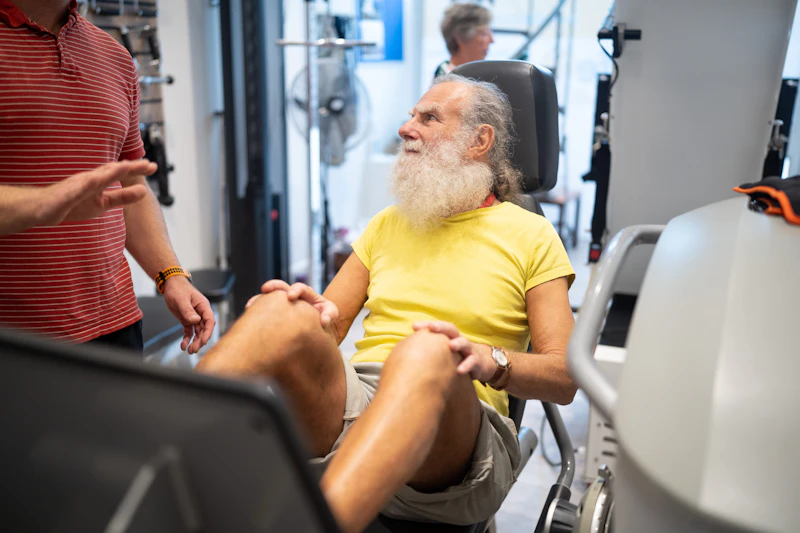
Hip and knee replacements are common and successful surgeries that relieve pain and restore mobility for thousands of Australians each year. The key to a good outcome is active participation in your recovery. This article explains what to expect and how to make the most of your new joint.
The First Few Weeks
Immediately after surgery, your focus is on:
- Pain management and healing
- Preventing blood clots with movement and possibly compression stockings
- Protecting your new joint while tissues heal
- Beginning gentle movement as advised by your physiotherapist
You will likely be prescribed antibiotics, pain medication, and blood thinners. Your surgeon and physiotherapist will give you specific instructions for movement, weight-bearing, and exercises. Follow these closely; they are tailored to your surgery and healing.
Physiotherapy is Crucial
Physiotherapy begins before you leave the hospital and continues for weeks to months. Your physiotherapist will teach you:
- How to move safely with crutches or a walker
- Gentle exercises to improve range of motion
- Strength exercises to rebuild muscle around your new joint
- How to climb stairs and perform daily activities safely
- When to progress your exercises and when to hold back
Attend all physiotherapy appointments and do your home exercises daily. The work you do now determines your long-term mobility.
Recovery Milestones
Recovery takes time; trust the process:
- Weeks 1 to 4: Focus on reducing swelling, protecting your new joint, and beginning gentle movement.
- Weeks 4 to 8: Gradually increase your range of motion and strength exercises. You may stop using a walker.
- Weeks 8 to 12: Continue strengthening. Swelling gradually decreases. You may resume light walking.
- 3 to 6 months: Most activities are possible. You may experience occasional swelling or stiffness, which gradually improves.
- 6 to 12 months: Your new joint feels increasingly natural, and strength continues to improve.
Managing Swelling
Swelling is normal and can persist for months.
- Elevate your leg when resting, supporting it on pillows or a footstool
- Apply ice for 15 to 20 minutes at a time, several times daily, particularly after exercise
- Wear compression stockings if advised by your surgeon
- Perform gentle muscle contractions; these pump fluid away from the joint
Protecting Your New Joint Long-term
Your new joint will last longer if you care for it:
- Maintain a healthy weight; extra weight stresses your new joint
- Avoid high-impact activities; choose walking, swimming, or cycling over running or contact sports
- Wear proper footwear for support and stability
- Stay active; regular gentle exercise keeps your joint flexible and strong
- Report any unusual pain, swelling, or instability to your surgeon promptly
When Pain is a Problem
Some pain and discomfort is expected, but sharp pain or sudden increases in swelling warrant attention.
- Contact your surgeon if you experience fever, increasing redness, or signs of infection
- Discuss persistent pain with your physiotherapist; they may modify your programme
- Do not stop moving or exercising to avoid pain; this slows recovery
Returning to Activities
Recovery allows you to return to the activities you love:
- Walking becomes easier and is encouraged
- Swimming and water aerobics are ideal for gentle strength and mobility
- Gardening, housework, and shopping become feasible again
- Social and community activities encourage you to get out
A Realistic Timeline
Most people return to normal activities within three months. Full strength and mobility continue to improve for up to a year. Do not rush; your body heals on its own timeline. The effort you invest in physiotherapy and home exercises now pays dividends in mobility and independence for years to come.
Important Note
This content is for general information purposes only and does not constitute medical advice. It is not intended to diagnose, treat, cure, or prevent any health condition. Always consult your GP or a qualified healthcare professional before making changes to your health routine, starting a new exercise programme, taking supplements, or trying any new therapy or device, particularly if you have an existing medical condition or are taking prescribed medication. The information presented here is based on generally available research and is not a substitute for professional medical guidance. Individual results vary. Aged Wellness Australia is a referral and information service and does not provide medical or clinical services.