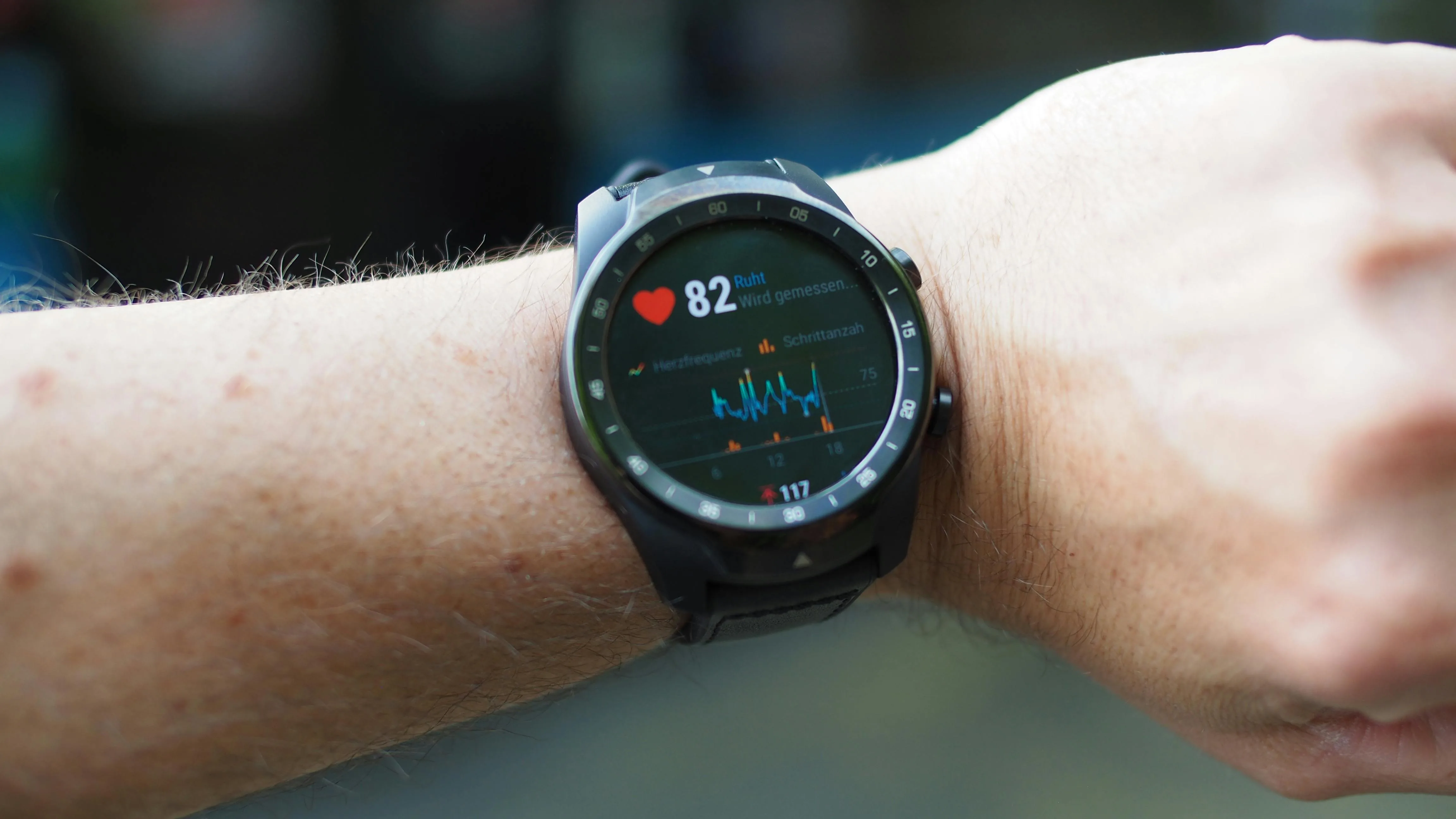
One common question among older Australians is whether fitness trackers actually work. Do they genuinely help people move more, or do they just provide data that sits unused? Research suggests that for many people over 60, wearing a fitness tracker correlates with increased activity levels and improved fitness outcomes.
What the Evidence Shows
Studies conducted in the United States and Europe have found that older adults who wear fitness trackers tend to increase their daily step counts and sustain higher activity levels over time compared to those who do not use trackers. The key factor seems to be engagement; the people who benefit most are those who actively review their data and set goals.
Why Trackers Help Motivate Movement
Visible Progress
Seeing your steps, distance, and activity minutes displayed on a device or app creates a tangible record of your effort. This visual feedback is motivating for many people.
Goal Setting
Most fitness trackers allow you to set daily or weekly step goals. Having a target to work toward gives your daily movement purpose and direction.
Social Accountability
Many tracker apps include social features where you can share your progress with friends or family. Knowing others are aware of your goals can provide gentle accountability.
Consistency Over Time
When you wear a tracker daily, you develop an awareness of your activity patterns. You start to notice which days are more active and which are less so, and you can adjust accordingly.
Realistic Goals for Older Adults
The widely cited "10,000 steps per day" target was originally derived from a Japanese marketing campaign, not from scientific evidence about optimal activity for older adults. A more evidence-based approach is to aim for at least 150 minutes of moderate activity per week.
Beyond Step Counting
Modern fitness trackers often monitor sleep, heart rate, and other metrics in addition to steps. For older adults, sleep tracking can be particularly useful. If your tracker reveals that you are sleeping less than 7 hours per night, or that your sleep is fragmented, this information can prompt a conversation with your doctor about sleep quality.
Tips for Getting Real Results from a Fitness Tracker
- Choose a tracker that feels comfortable to wear all day; if it is not comfortable, you will not wear it consistently.
- Set a realistic daily step goal, perhaps 20 per cent more than your current average, and increase gradually.
- Review your weekly summary, not daily numbers; weekly trends are more meaningful.
- Use the tracker to identify patterns; if you are less active on weekends, plan weekend activities.
- Pair your tracker with a physical activity you enjoy; the tracker supports motivation, but enjoyment keeps you going.
Potential Pitfalls to Avoid
Some people become overly obsessed with step counts and push themselves too hard, risking injury. Remember that rest days are important and that movement quality matters as much as quantity. If you have joint pain or balance concerns, speak with your doctor or a physiotherapist about a movement plan before dramatically increasing your activity.
Important Note
This content is for general information purposes only and does not constitute medical advice. It is not intended to diagnose, treat, cure, or prevent any health condition. Always consult your GP or a qualified healthcare professional before making changes to your health routine, starting a new exercise programme, taking supplements, or trying any new therapy or device, particularly if you have an existing medical condition or are taking prescribed medication. The information presented here is based on generally available research and is not a substitute for professional medical guidance. Individual results vary. Aged Wellness Australia is a referral and information service and does not provide medical or clinical services.