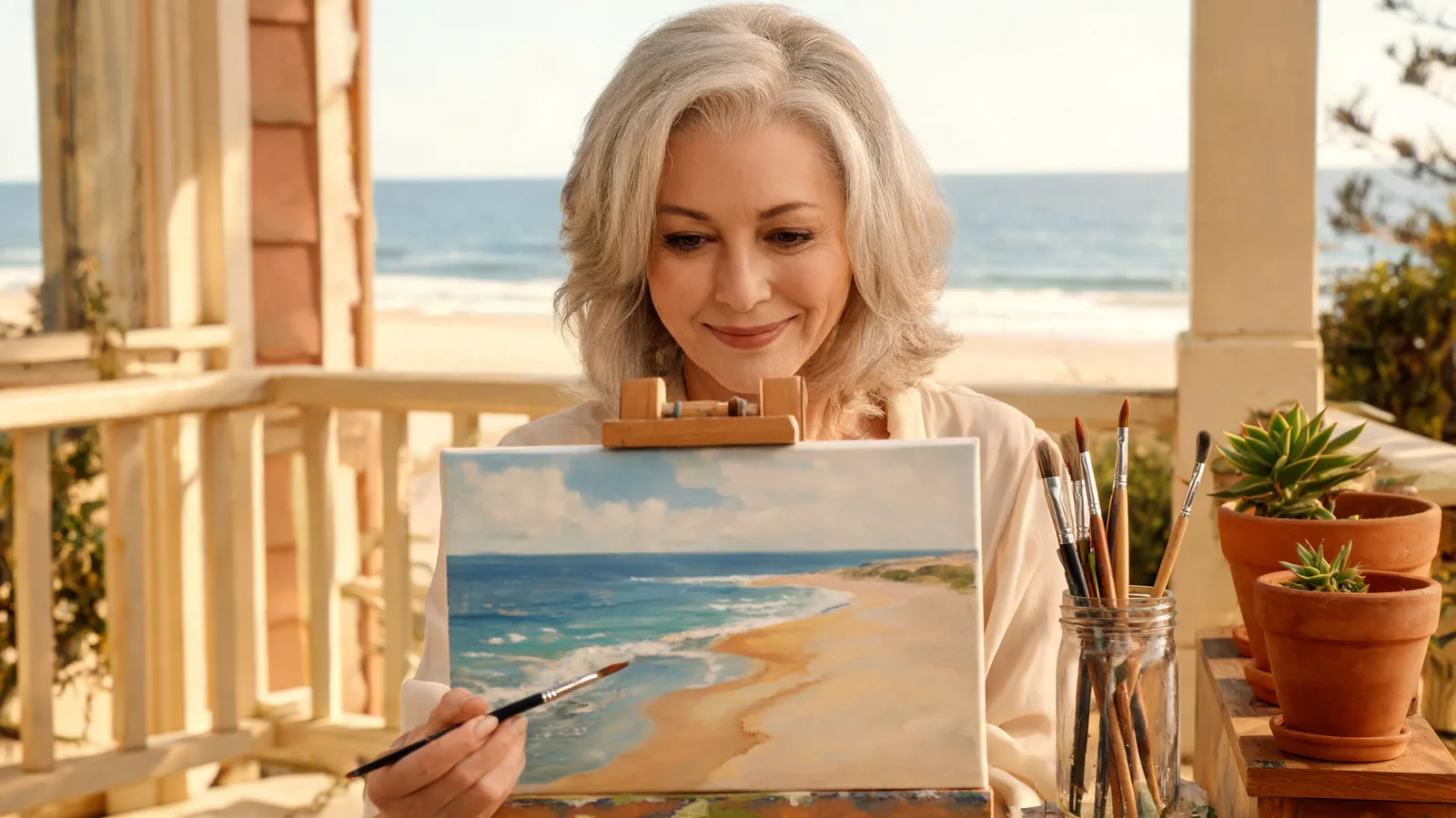
Creative pursuits are among the more meaningful supports for wellbeing in older age. Painting, music, writing, and other creative hobbies engage your whole self: body, mind, and spirit. Research consistently suggests that creative engagement is associated with improved quality of life, emotional resilience, and even physical health for older adults.
Why Creativity Is Restorative
Creativity allows you to express what words alone cannot convey. Emotions, memories, and insights find expression through art, music, or writing. This expression tends to be inherently therapeutic; it processes experience and creates meaning.
Art and Visual Creation
Painting, drawing, sculpture, and collage engage your visual perception and motor skills. The act of creating something physical can be grounding and satisfying. You do not need to be talented; the process matters more than the product.
Starting With Art
- Begin with simple materials: pencil and paper, watercolours, or pastels
- Take a class or watch online tutorials to build confidence
- Draw or paint something you see daily; this trains observation
- Do not judge your work; focus on the act of creating
Music and Sound
Learning an instrument, singing, or listening deeply to music engages multiple brain regions. Music activates memory, emotion, and physical coordination simultaneously. Whether you play an instrument or simply listen with full attention, music can be meaningfully restorative.
Engaging With Music
- Learn an instrument you have always wanted to try
- Sing; join a choir or simply sing at home
- Listen actively; sit with a piece of music without distraction
- Explore music from different cultures and time periods
Writing and Storytelling
Writing, whether journaling, poetry, memoir, or fiction, externalises your inner world. The act of writing tends to clarify thinking, processes emotion, and creates a record of your experience and wisdom.
Starting to Write
- Begin with journaling; write freely without worrying about being 'good'
- Write letters to people important to you, even if you do not send them
- Record family stories and memories for future generations
- Write poetry; focus on expressing feeling rather than technical perfection
The Cognitive Benefits
Creative pursuits require focus, planning, and problem-solving. They keep your brain engaged and challenged. Learning a new song, solving a compositional problem, or working through a challenging drawing supports cognitive function.
Emotional Expression and Processing
Life brings joy and grief, triumph and disappointment. Creative hobbies provide outlets for all of these. You can express what is difficult to say, process loss, and celebrate achievement through creative work.
Connection Through Creativity
Share your creative work with others. Join an art group, perform music for friends, read your writing aloud. Creative sharing tends to deepen relationships and gives others access to your inner world.
Overcoming Self-Doubt
Many people hesitate to pursue creative hobbies because they worry about being judged or not being 'good enough.' Remember that creativity is a human capacity, not a rare talent. Your creative expression has value simply because it is authentically yours.
Creating Legacy
Creative work can become a legacy. Your artwork, music, or writing can be passed to family members and become part of your lasting contribution to those you love.
Starting Your Creative Journey
You do not need permission, talent, or years of training to start. Pick something that calls to you. Set aside regular time, even just an hour or two weekly. Embrace the learning curve. Your creative journey is worth taking.
A Practical Step You Can Take This Week
Block out a single hour this week, somewhere quiet, with one creative tool you already own (a notebook, a sketch pad, an instrument, your singing voice). Spend the hour without judgement. The first hour is always the hardest, and once you have done it once, the next becomes much easier.
Important Note
This information is general in nature and is not a substitute for professional medical advice. Please consult your GP before making changes to your health routine.