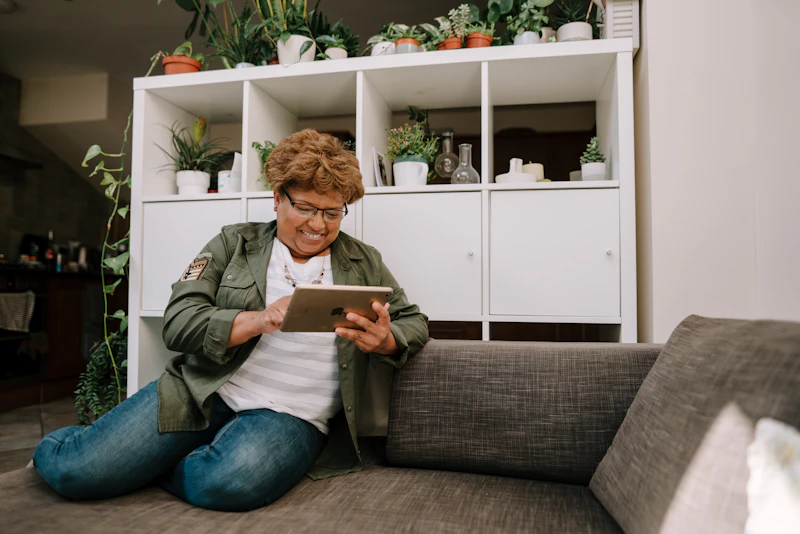
Distance doesn't have to damage family relationships. Whether your adult children have relocated for work, or you've moved for lifestyle, retirement location, or care needs, maintaining meaningful family connection across kilometres is entirely possible. This article offers practical strategies for staying emotionally connected when distance is unavoidable.
The Challenge of Distance in Later Life
Modern Australia's mobility means many families are geographically scattered. For older adults, this distance presents particular challenges:
- Limited frequent in-person visits due to travel costs and logistics
- Time zone differences if family members live overseas
- Difficulty being present for important milestones or emergencies
- Reduced informal daily connection that happens naturally with proximity
Yet distance is survivable with intentional effort and good tools.
Foundation: Regular, Scheduled Connection
Consistency matters more than intensity. A weekly video call is more valuable than irregular longer visits. Build family contact into your routine:
- Weekly video calls at the same day and time
- Monthly longer conversations (perhaps weekend mornings)
- Regular phone calls for casual check-ins
- Shared online activities (watching films together via screen-share)
Video Technology: The Game Changer
Video calls make distant relationships feel closer than voice alone. If you're not confident with technology, many councils offer free digital literacy classes.
- WhatsApp, FaceTime, or Zoom for free video calls
- Can set up calls at no additional cost once internet is available
- Allows grandchildren to see you regularly, maintaining genuine relationships
- Enables shared activities like cooking together, showing photos, or games
Start with one platform and get comfortable before trying others.
Beyond Video: Creating Shared Experiences
Read the Same Book
Join or create a family book club. Everyone reads the same novel and discusses it over video call. It gives you something substantive to talk about and provides intellectual engagement.
Share Photos and Updates
Use shared photo apps (Google Photos, iCloud Family Sharing) or family messaging groups. Regular sharing of daily life maintains emotional closeness.
Cook Together Remotely
Choose a recipe and prepare it simultaneously via video call. You eat together while sharing the experience of cooking.
Watch Films or Events Together
Many streaming services now allow simultaneous viewing. Schedule regular "film nights" where you watch together whilst on video call.
Create Family Projects
Work together on genealogy research, collect family stories or recipes, or collaborate on a family history project.
Managing Visits Home
When in-person visits are possible, make them count:
- Schedule regular visit times (quarterly, twice yearly) so family can plan
- Stay for extended periods if possible, rather than brief trips
- Involve yourself in daily family routines, not just special occasions
- Create new traditions around your visits
- Help in practical ways — cooking, caring for grandchildren, home maintenance
Building Grandparent Relationships From Distance
Grandchildren benefit enormously from knowing their grandparents. Distance requires intention:
- Regular video calls help children remember and value the relationship
- Record videos of stories, advice, or messages for special occasions
- Send small gifts that reference your shared video conversations
- Show genuine interest in their activities, school, and interests
- Be reliable; consistent contact matters more than big gestures
When Distance Becomes Crisis
Have a plan for emergencies or health crises:
- Ensure adult children know your primary healthcare providers
- Communicate your wishes regarding health decisions clearly
- Consider whether emergency situations might require temporary relocation
- Maintain good communication so family notices changes in your health or capacity
Important Note
This content is for general information purposes only and does not constitute medical advice. It is not intended to diagnose, treat, cure, or prevent any health condition. Always consult your GP or a qualified healthcare professional before making changes to your health routine, starting a new exercise programme, taking supplements, or trying any new therapy or device, particularly if you have an existing medical condition or are taking prescribed medication. The information presented here is based on generally available research and is not a substitute for professional medical guidance. Individual results vary. Aged Wellness Australia is a referral and information service and does not provide medical or clinical services.