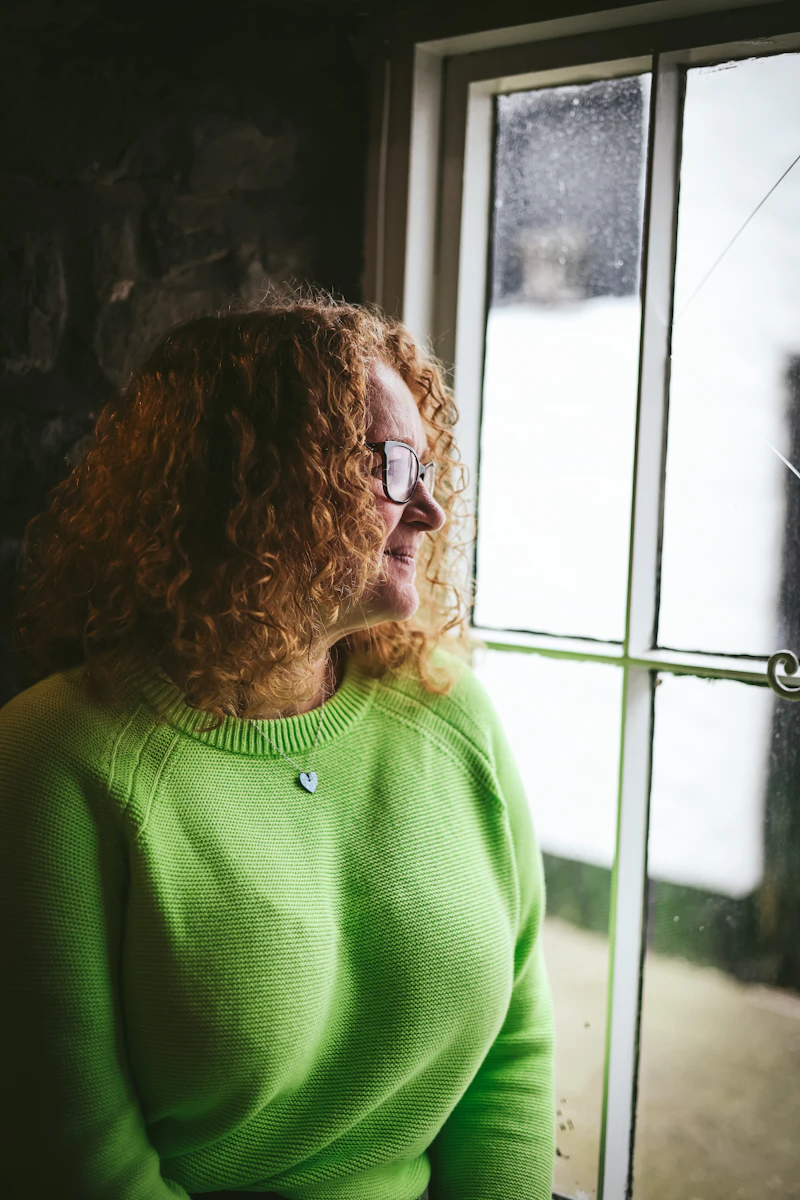
Loneliness is one of Australia's most serious public health challenges for older adults, yet it remains largely invisible. While many seniors experience golden years filled with connection and purpose, millions face profound isolation. This article explores the real impact of senior loneliness and practical pathways to reconnection.
Why Senior Loneliness Is a Major Health Issue
The Australian Institute of Health and Welfare reports that social isolation affects approximately 1 in 4 older Australians. This isn't simply about feeling sad; loneliness has measurable health consequences comparable to smoking or obesity.
- Increased risk of cardiovascular disease, stroke, and heart attack
- Higher rates of depression, anxiety, and cognitive decline
- Weakened immune function and slower recovery from illness
- Greater risk of falls, hospitalisation, and premature mortality
- Reduced medication adherence and poorer health management
Who Is at Greatest Risk?
Certain groups of older Australians face heightened vulnerability to loneliness:
- Widowed or divorced seniors, particularly men
- Those with limited family connections or living far from relatives
- Individuals with mobility challenges or chronic health conditions
- Recent retirees who have lost workplace social structures
- Culturally and linguistically diverse seniors with fewer community ties
- Those living in rural or remote areas with limited local services
The Gender Dimension
Men, particularly widowers, experience higher rates of isolation. Older men are less likely to initiate social connections and may lack the social networks that women develop throughout their lives. This puts older men at significantly elevated risk of depression and premature death.
Technology and Connection
Whilst technology cannot replace face-to-face connection, it offers valuable tools for isolated seniors:
- Video calls with family members and friends
- Online groups focused on shared interests or health conditions
- Digital classes and educational programmes
- Social media platforms for maintaining distant relationships
Council-funded digital literacy programmes in many Australian councils help older adults build confidence with technology.
What Works: Evidence-Based Solutions
Research shows that addressing loneliness requires action across multiple levels. The most effective strategies combine regular structured activities with genuine relationship building.
- Group-based programmes that meet regularly (exercise classes, hobby groups)
- One-to-one volunteering or mentoring relationships
- Community participation in faith groups, clubs, or councils
- Purposeful roles such as volunteering or caring
- Proximity to services (walking distance to shops, community centres)
Getting Help: Australian Resources
If you or someone you know is struggling with loneliness, support is available:
- Lifeline Australia: 13 11 14 (24/7 crisis support)
- Beyond Blue: 1300 224 636 (depression and anxiety support)
- Aged Care Quality Standards Commission: Help finding appropriate services
- Local Council Positive Ageing Services: Community programmes and groups
- Volunteer programs such as Meals on Wheels, which combine practical support with social connection
Important Note
This content is for general information purposes only and does not constitute medical advice. It is not intended to diagnose, treat, cure, or prevent any health condition. Always consult your GP or a qualified healthcare professional before making changes to your health routine, starting a new exercise programme, taking supplements, or trying any new therapy or device, particularly if you have an existing medical condition or are taking prescribed medication. The information presented here is based on generally available research and is not a substitute for professional medical guidance. Individual results vary. Aged Wellness Australia is a referral and information service and does not provide medical or clinical services.