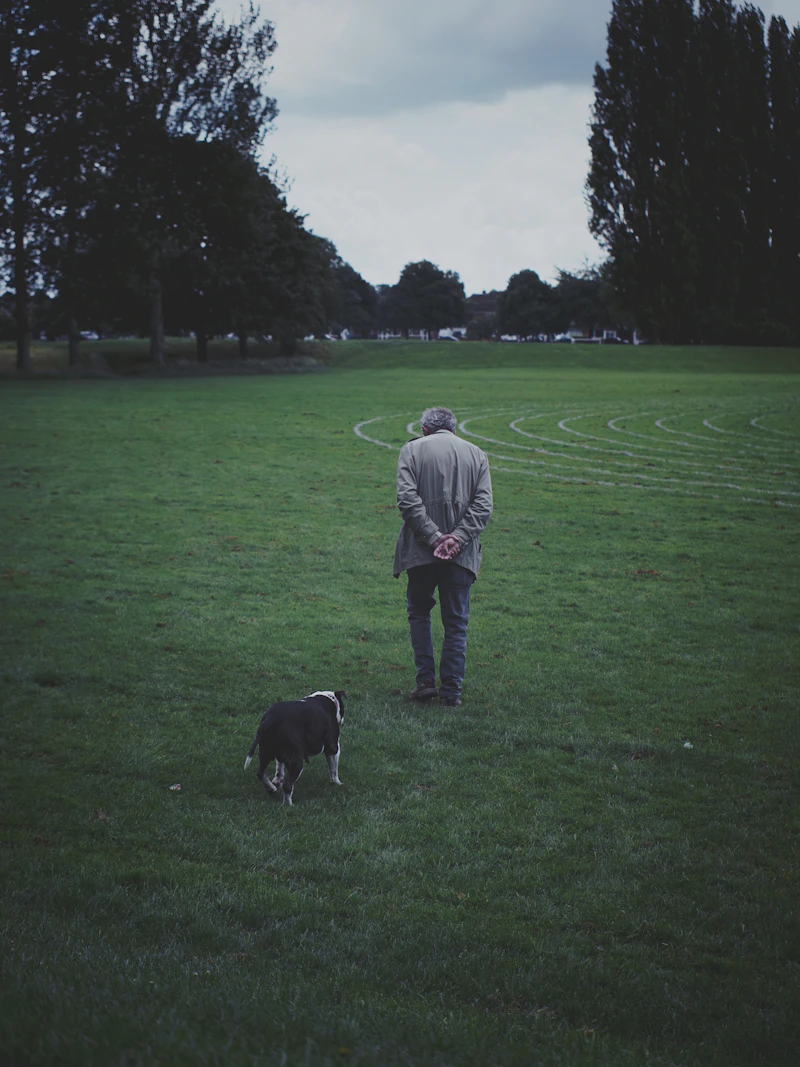
Making new friends becomes more challenging as we age, yet friendship remains essential to wellbeing. Whether you've relocated, experienced loss, or simply want to expand your social circle, building genuine connections in later life is entirely possible. This guide offers practical, evidence-based strategies for making meaningful friendships after 60.
Why Friendship Matters More Than Ever
Research consistently shows that older adults with strong social connections experience:
- Better mental health and lower rates of depression
- Improved physical health outcomes and longer lifespan
- Greater resilience during health crises
- Enhanced sense of purpose and life satisfaction
Strategy 1: Join Structured Groups and Classes
Regular, structured activities provide natural settings for friendship building. The key word is "regular" — repeated contact builds familiarity and trust.
- Walking groups through local councils (free or low-cost)
- Adult education classes through TAFE or community colleges
- Sports and recreational groups (bowls, golf, croquet clubs)
- Hobby and interest groups (book clubs, art classes, gardening clubs)
- Religious or spiritual communities
When choosing a group, prioritise activities you'll genuinely enjoy attending regularly. Consistency matters more than the specific activity.
Strategy 2: Volunteer
Volunteering addresses the fundamental challenge of friendship — meeting people with shared values. Volunteers typically see the same people regularly, creating natural opportunities for connection.
- Aged care facilities and retirement villages
- Community centres and local councils
- Charitable organisations and food banks
- Libraries, museums, and cultural institutions
- Environmental conservation groups
Strategy 3: Be the Initiator
After 60, waiting for others to reach out often means waiting indefinitely. Successful friendship builders take initiative:
- Suggest coffee after group activities
- Organise outings to events, restaurants, or walks
- Exchange contact details and follow up
- Invite people to your home
- Be consistent and reliable in your invitations
Strategy 4: Leverage Digital Connection
Social media and online communities can extend friendship possibilities, particularly for those with mobility issues or living in remote areas.
- Facebook groups for your interests or location
- Online classes and educational communities
- Virtual interest groups (photography, writing, history)
- Video call groups for games or conversation
Online connection works best as a complement to face-to-face friendship, not a replacement.
Overcoming Common Obstacles
Shyness or Social Anxiety
Remember that other people feel nervous too. Most older adults are actually hoping to make new connections. Small talk doesn't require perfection — genuine interest in others does the work.
Grief or Loss
If you're rebuilding after losing a long-time friendship or spouse, expect that making new friends takes time and patience. Grief is normal, but isolation makes grief worse.
Mobility or Health Challenges
Limited mobility doesn't prevent friendship. Look for groups that accommodate your needs, consider home-based activities, or explore online communities.
The Long Game: Quality Over Speed
Deep friendships rarely form overnight. Research on friendship development shows that meaningful connections typically require regular, extended contact over months. Invest time in the people who seem promising, and give friendships time to deepen.
Important Note
This content is for general information purposes only and does not constitute medical advice. It is not intended to diagnose, treat, cure, or prevent any health condition. Always consult your GP or a qualified healthcare professional before making changes to your health routine, starting a new exercise programme, taking supplements, or trying any new therapy or device, particularly if you have an existing medical condition or are taking prescribed medication. The information presented here is based on generally available research and is not a substitute for professional medical guidance. Individual results vary. Aged Wellness Australia is a referral and information service and does not provide medical or clinical services.