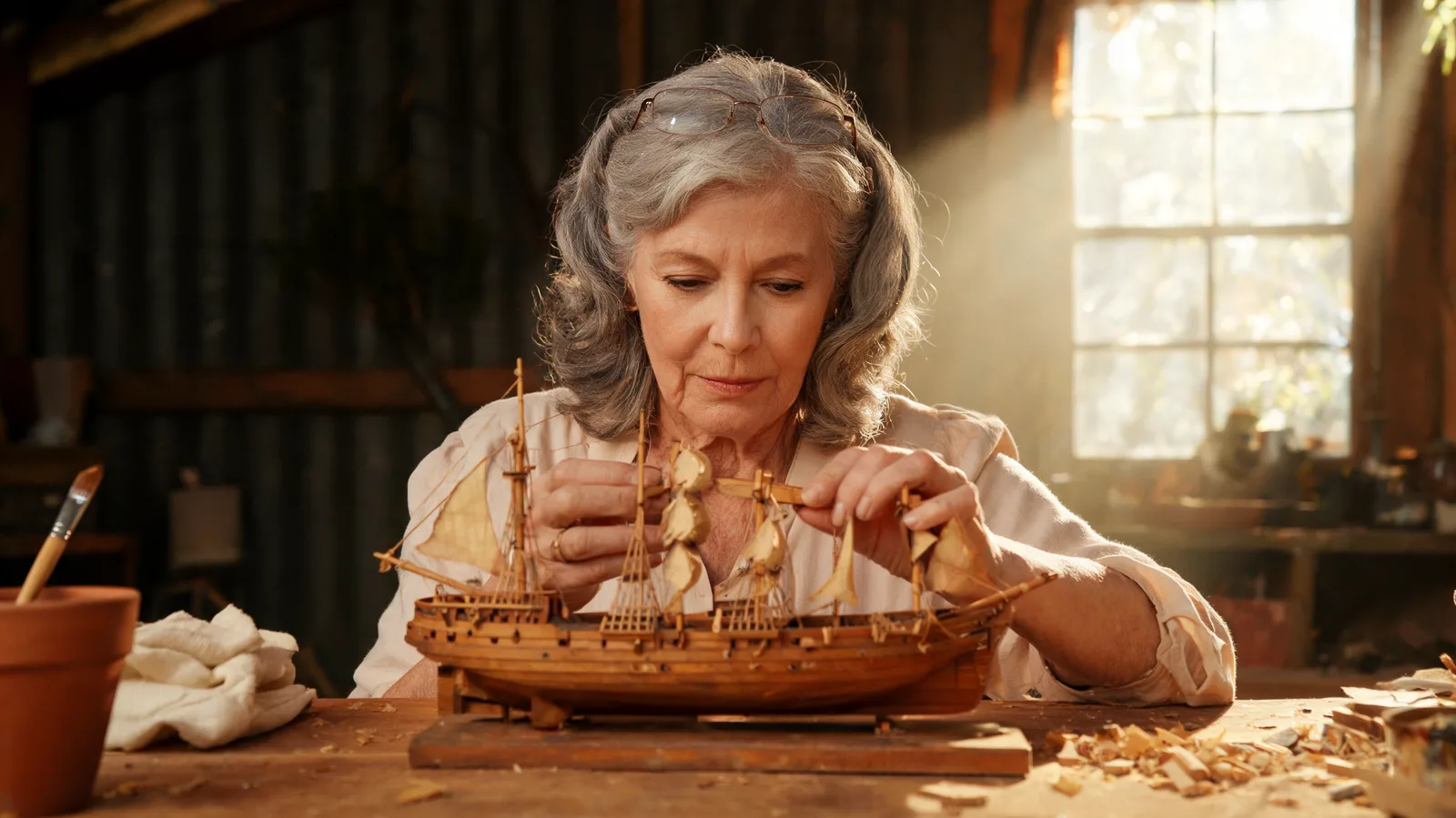
Retirement is often seen as a time to slow down, but research suggests that people who develop or pursue hobbies after retirement tend to be happier, healthier, and more engaged with life. Whether you revisit old interests or discover something entirely new, hobbies offer meaningful benefits for your physical, mental, and social health.
Mental Health and Cognitive Benefits
Hobbies engage your brain in novel ways. Learning a new skill, solving puzzles, creating art, or mastering a game keeps your mind active and alert. Research suggests that people who engage in hobbies tend to have lower rates of depression and anxiety, and better cognitive function as they age.
Physical Health Benefits
Many hobbies involve movement. Gardening, dancing, woodworking, painting, and sports all keep you physically active without feeling like formal exercise. This movement is associated with improvements in cardiovascular health, strength, and balance.
Social Connection
Hobbies often connect you with others who share your interests. Joining a gardening club, an art class, or a book group creates friendship and a sense of belonging. Social connection is one of the strongest predictors of health and wellbeing in older age.
Sense of Purpose and Accomplishment
Hobbies give you something to work toward. Finishing a painting, growing a harvest of vegetables, mastering a new skill, or completing a challenging puzzle creates a sense of achievement that matters.
Stress Reduction
Engaging in an activity you enjoy shifts your nervous system into a more relaxed state. The focus required by most hobbies tends to crowd out worry and rumination, giving your mind a break from stress.
Choosing a Hobby That Suits You
The best hobby is one you will actually pursue. Consider your interests, your physical abilities, your budget, and your lifestyle. You might revisit something you enjoyed before retirement, or explore something completely new.
Ideas for Hobbies to Explore
- Gardening or growing indoor plants
- Painting, drawing, or other visual arts
- Woodworking or other crafts
- Playing a musical instrument or singing
- Writing, journaling, or poetry
- Reading or joining a book club
- Photography
- Dancing or movement classes
- Board games, card games, or puzzles
- Cooking or baking
- Model building or collecting
- Local history exploration or family genealogy
Overcoming Barriers to Starting
If you are hesitant to begin a hobby, remember that you do not need to be good at it. The goal is enjoyment and engagement, not perfection. Many hobbies have free or low-cost ways to start. Online tutorials, library books, and community classes can help you learn.
Making It Social
Pursue hobbies with others when possible. Join a class, attend a club, or invite friends to participate. Shared hobbies often strengthen relationships and make the activity more enjoyable.
A Practical Step You Can Take This Week
Pick one hobby from the list above that you have always been curious about, then take one tiny first step today: borrow a library book on the topic, watch a 10-minute beginner's video, or visit a local class. Curiosity rarely turns into commitment without a small first action.
Important Note
This information is general in nature and is not a substitute for professional medical advice. Please consult your GP before making changes to your health routine.