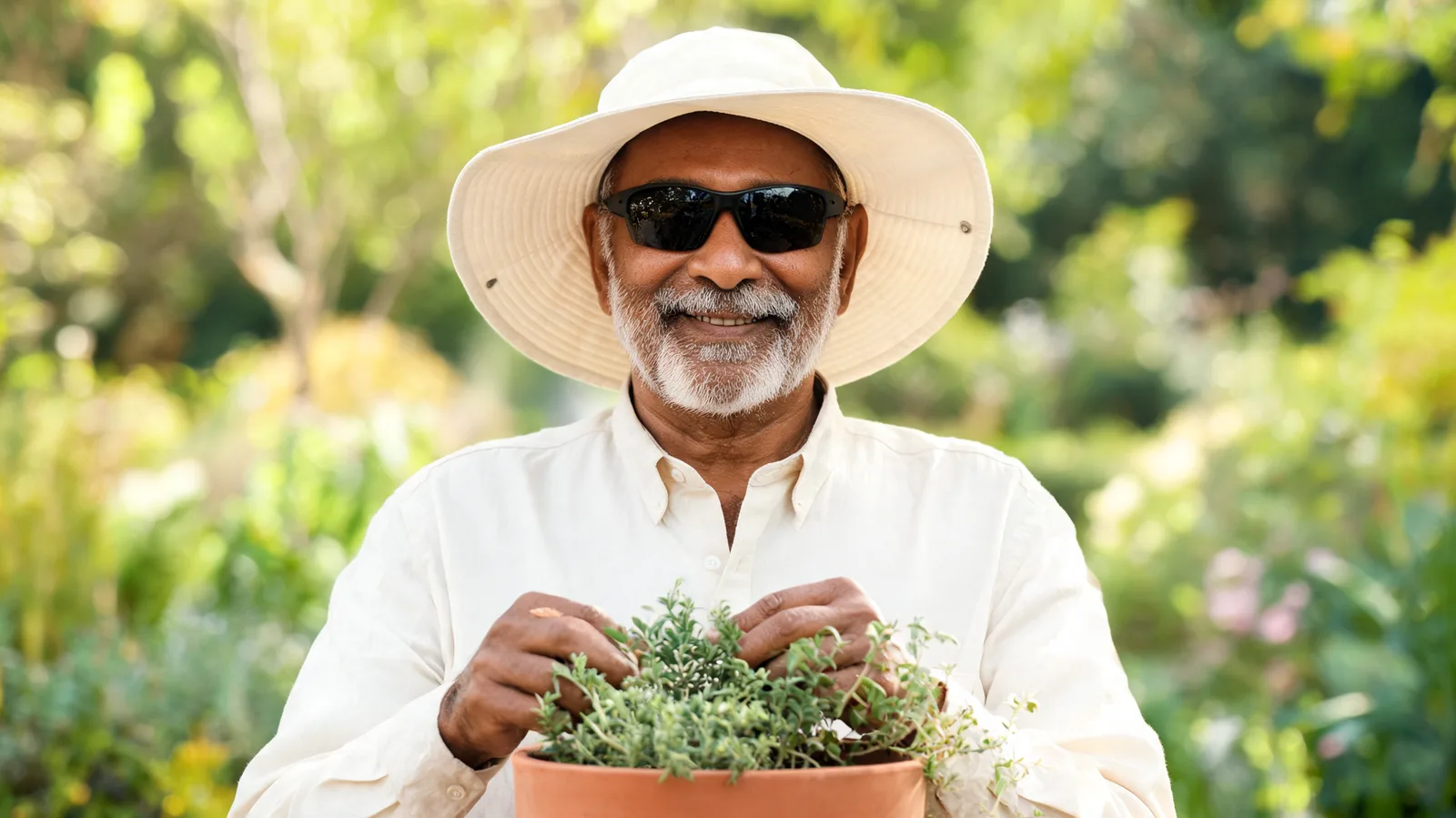
Spring in Australia has a sneaky quality. The air can still feel mild in October while the ultraviolet index climbs to summer-like levels, and many of us are caught out, spending our first long gardening days or beach walks of the season with winter habits and no hat. For over-60s the stakes deserve respect: Australia has one of the highest rates of skin cancer in the world, and the risk accumulates over a lifetime of sunshine. A few simple habits let you enjoy every golden hour safely.
UV does not wait for summer
The ultraviolet index in most of Australia reaches three or higher from early spring onwards, and cancer prevention bodies advise sun protection whenever it does. Crucially, UV is not heat. A cool, breezy October day can deliver the same dose as a scorcher in January, and light cloud filters out surprisingly little. The free SunSmart app, or the UV forecast in most weather apps, tells you each day when protection is needed, which is a far better guide than how warm your skin feels.
Older skin earns extra care
Skin thins gradually with age and repairs itself more slowly, and the sun exposure of every backyard cricket match and beach summer since childhood is already banked. That is why skin cancers appear more often after 60 than at any other age. None of this means hiding indoors through the loveliest months of the year. It means treating sun protection the way you treat a seatbelt: automatic, unremarkable and non-negotiable when the UV is up.
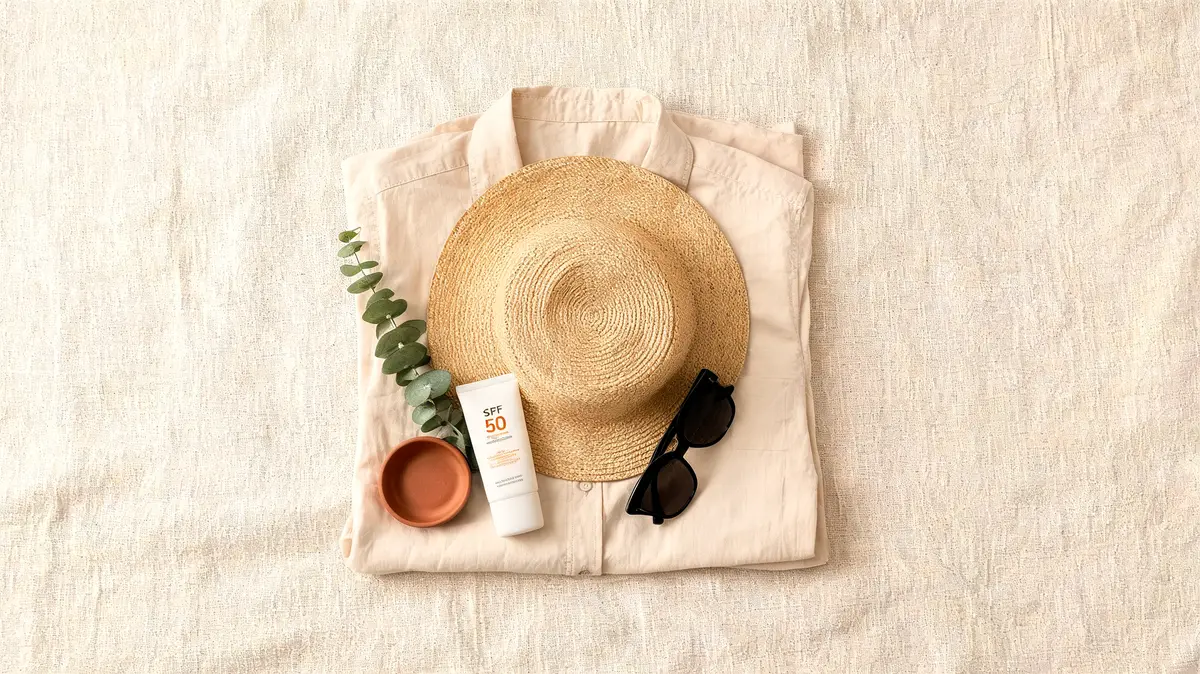
Five old friends: slip, slop, slap, seek, slide
The classic advice has grown to five steps, and it remains the gold standard from Australia's cancer prevention bodies. Slip on covering clothing, and choose longer sleeves for gardening. Slop on SPF 50 or higher broad-spectrum sunscreen twenty minutes before heading out, and reapply every two hours, more often if you are sweating. Slap on a broad-brimmed hat that shades the face, ears and neck, the three places skin cancers love most. Seek shade, especially through the middle of the day when UV peaks. And slide on sunglasses, because eyes accumulate sun damage too.
Sunshine and vitamin D, in balance
Sunlight helps the body make vitamin D, which matters for bones and muscles, and health guidance recognises that the balance differs with the season. In spring and summer, most people make enough vitamin D from the incidental sun exposure of everyday activities, a few minutes here and there outside peak UV hours. Deliberately baking in the midday sun for vitamin D is never the recommended path. If you are concerned your levels are low, perhaps because you are mostly indoors or cover up for cultural or medical reasons, a chat with your GP settles the question properly.
Know your own skin
The final habit costs nothing: pay attention. Get to know the freckles, moles and marks you already have, and look over your skin every few months in good light, using a mirror or a family member for your back, scalp edges and ears. Anything new, anything changing in size, shape or colour, and any spot that itches, bleeds or refuses to heal deserves a prompt appointment with your GP. Found early, most skin cancers are dealt with simply, and your doctor can advise how often a professional skin check makes sense for you.
Spring is meant to be spent outdoors, in the garden, on the sand and along the walking tracks, and nothing here should talk you out of a single minute of it. Check the UV each morning, dress for it as automatically as you check the weather, and keep an honest eye on your skin. That is the whole price of a safe and glorious spring.
Important Note
This article is general information only and is not a substitute for personal medical advice. Please speak with your GP or another qualified health professional about your own situation.