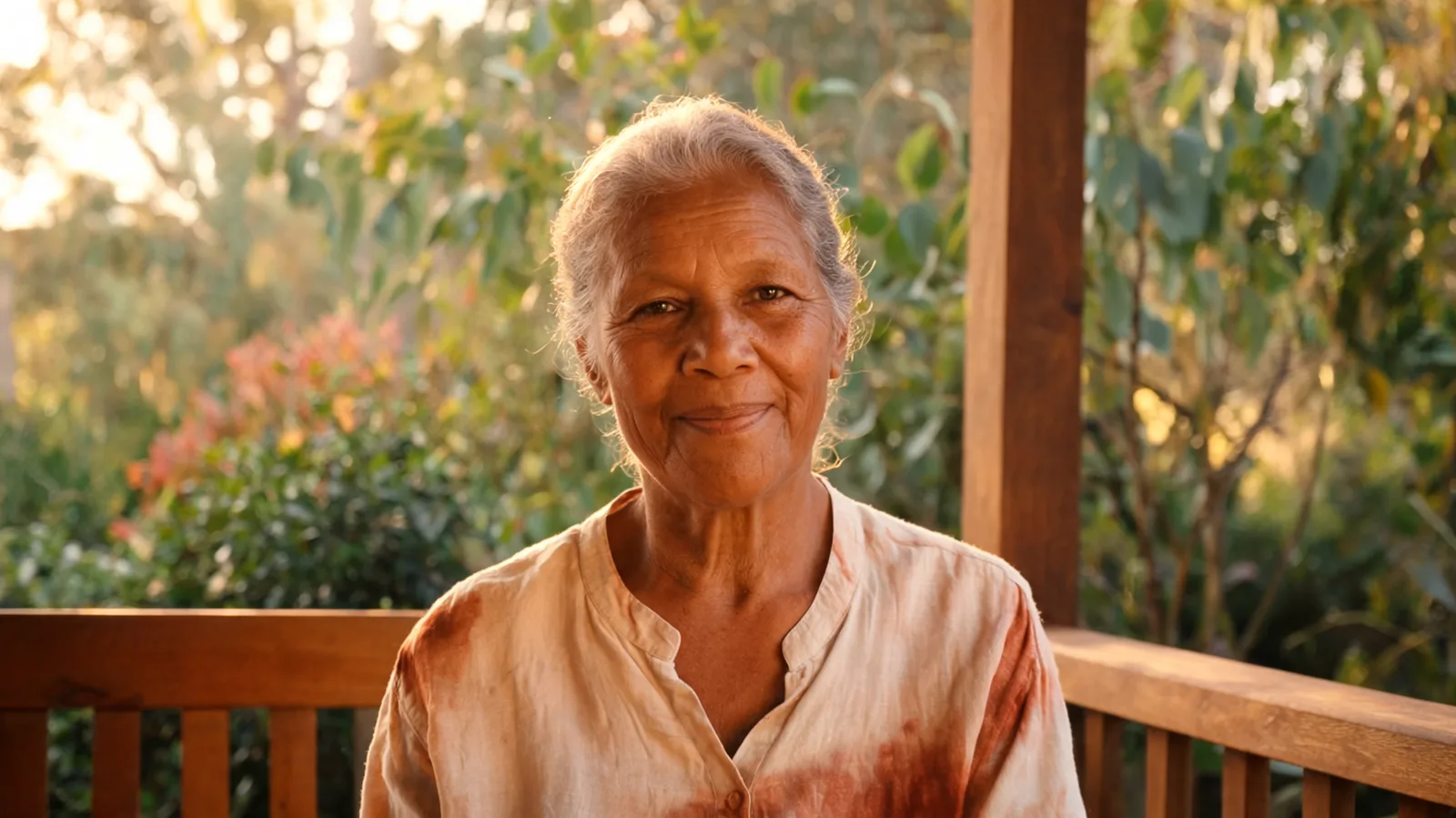
October opens with a date worth circling. The first of the month is the International Day of Older Persons, a United Nations observance that has been marked around the world for more than three decades. In Queensland it also kicks off Seniors Month, a whole month of events celebrating the contribution older people make to their communities. It is a good moment to pause and ask a quiet question: what story are you telling yourself about growing older?
Why the story you tell matters
Researchers who study ageing have noticed something interesting. Research suggests that people who hold a more positive view of their own ageing tend to stay more active, recover from setbacks more readily and report better wellbeing than those who expect decline at every turn. The story is not magic, and it is no substitute for looking after your health, but it shapes the hundreds of small choices you make each week. Expect little of yourself and you will ask little. Expect that your later years hold real possibility and you will keep reaching for it. The encouraging part is that a story can be revised at any age, and October, with its celebrations of older Australians, is a natural editing season.
Retire the script you inherited
Many of us grew up with a script about what people in their sixties, seventies and eighties were supposed to do, and much of it was written for a different era. Life expectancy in Australia has risen remarkably within living memory, and a healthy sixty-five-year-old today can reasonably plan for decades of active life. That is not a bonus round to be waited out quietly. It is a genuine stage of life, long enough to learn a language, build a friendship from scratch, master a craft or watch a grandchild grow from a newborn into a young adult who asks you for advice.
Experience is an asset, not a memory
One of the kindest things you can do for your own outlook is to notice what the years have actually given you. You read people more accurately than you did at thirty. You know which problems deserve worry and which will sort themselves out. Communities run on exactly this kind of judgement, which is why volunteers, mentors, committee members and carers in their later years hold so much of Australian life together. The International Day of Older Persons exists precisely to make that contribution visible, and to remind the rest of the community to value it.
Stay in the picture
A positive story needs a stage. Staying visible, in your family, your street and your community, keeps the story alive. Say yes to the invitation, even when the couch argues otherwise. Put your hand up for the working bee, the book club or the school reading programme. If mobility or transport makes getting out harder than it used to be, staying in the picture might mean a regular phone call, a video chat with the grandchildren or an online group built around something you love. Presence counts in many forms.
Write the next chapter on purpose
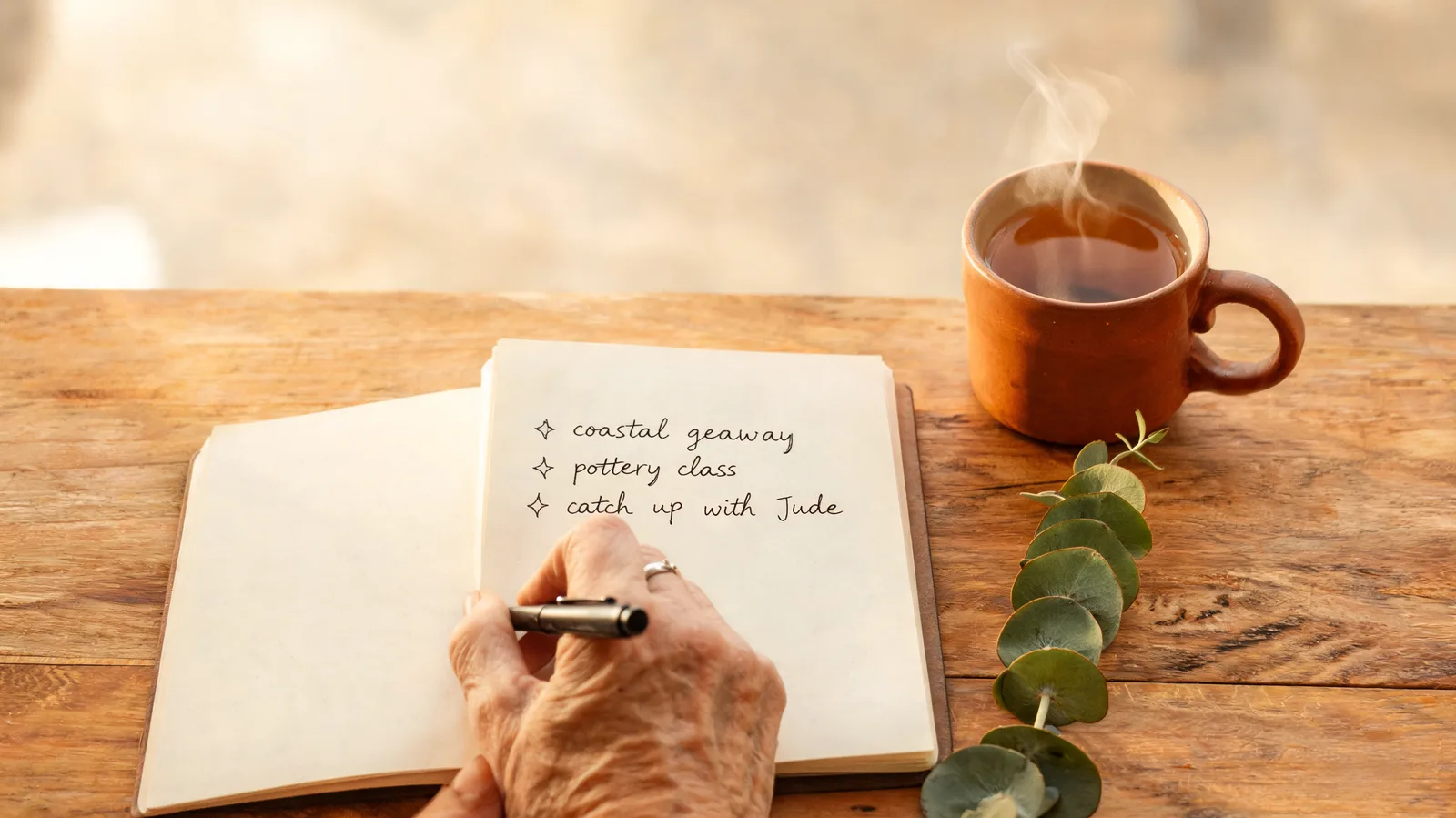
This month, try a small exercise. Take a pen and write down three things you would love to be doing this time next year. They do not need to be grand. A weekly swim, a mended friendship, a vegetable bed that finally beats the possums. Then, under each one, write the first small step. Stories move forward one scene at a time, and the author of this one is you.
Ageing is not the closing of a book. For many Australians it is the chapter where the plot finally makes sense. This October, with the world taking a day to celebrate older persons, take a moment to celebrate your own next chapter, and to begin writing it deliberately.
Important Note
This article is general information only and is not a substitute for personal medical advice. Please speak with your GP or another qualified health professional about your own situation.