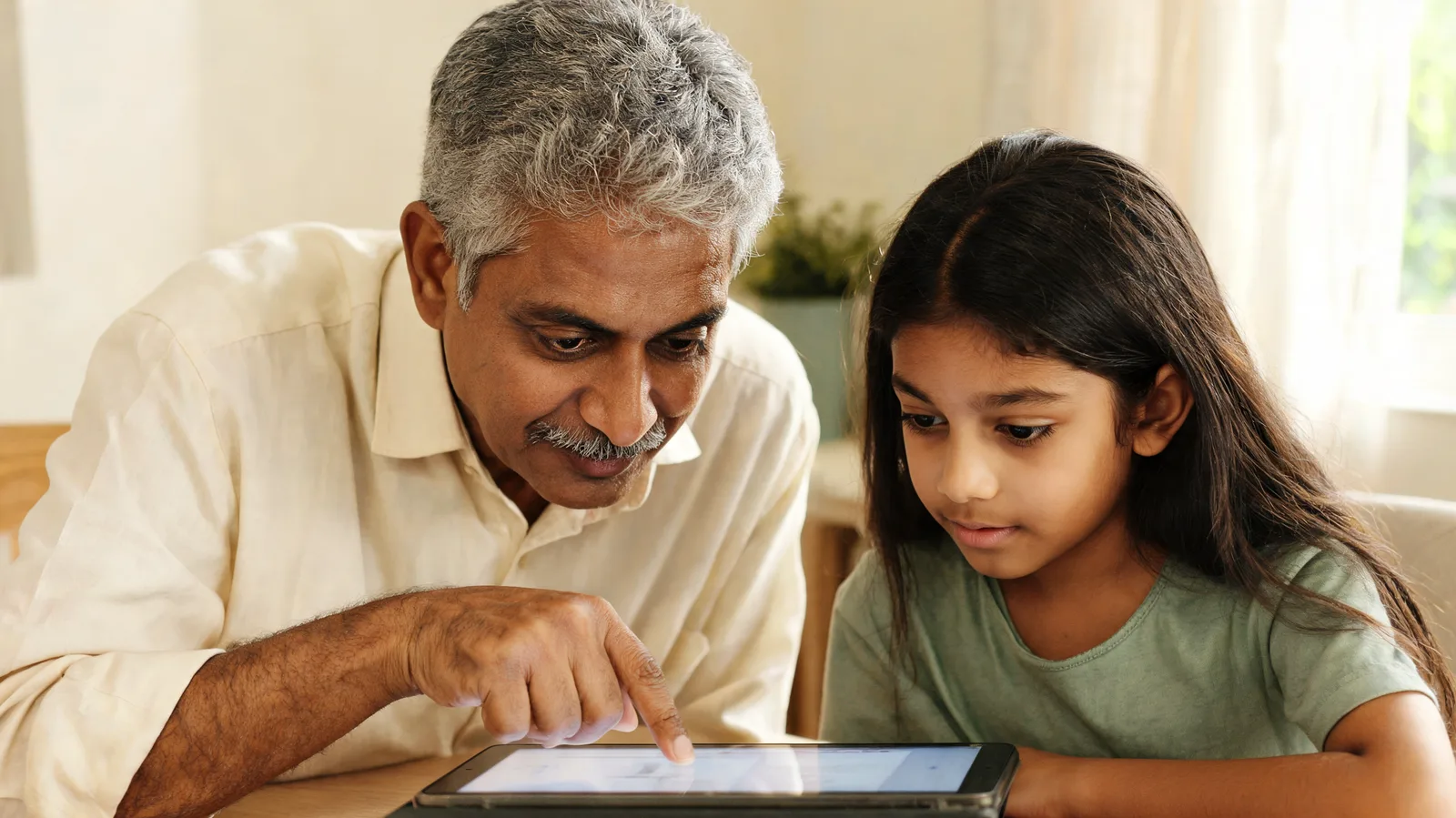
The internet is a powerful tool for learning, creativity, and connection, but it also presents real risks for young people. As a grandparent, you can play an important role in helping your grandchildren navigate online safety. This guide covers the main risks and practical strategies to help keep them safer.
The Main Online Safety Risks for Children Today
Cyberbullying
Unkind messages, rumours, and exclusion happen online just as they do offline. For young people, cyberbullying can feel inescapable because it follows them home.
Inappropriate Content
Despite content filters, children can stumble upon age-inappropriate material online, ranging from violent content to sexual material. Younger children are sometimes deliberately exposed to inappropriate content by older children online.
Online Predators
Adults with harmful intentions sometimes pose as young people to build trust with children. This is a real but manageable risk if young people are educated about it.
Scams and Fraud
Young people can fall victim to scams promising easy money, gaming rewards, or discounts. They may give away personal information or money thinking they are participating in legitimate activities.
Problematic Social Media Use
Social media is designed to be habit-forming. Young people sometimes experience anxiety, sleep disruption, and self-esteem issues connected to social media use.
Talking to Your Grandchildren About Online Safety
The most important safety tool is open conversation. Create an environment where your grandchildren feel comfortable telling you about online experiences without fear of losing their devices.
- Ask what apps and websites they use and what they like about them
- Discuss how to recognise suspicious behaviour online
- Explain that nothing posted online is truly private
- Teach them that if something online makes them uncomfortable, they should tell a trusted adult
- Reassure them that you will help problem-solve, not punish, if they encounter something troubling
Practical Safety Measures
Parental Controls and Monitoring
Talk with their parents about appropriate monitoring. This might include content filters, screen time limits, and checking their browsing history occasionally.
Strong Passwords
Teach them to use unique, strong passwords for different accounts. Passwords should not be shared, even with friends.
Privacy Settings
Help them set their social media accounts to private so only approved friends can see their posts.
Think Before You Share
Teach them to pause before posting; once something is online, it can be screenshotted and shared beyond their control.
Recognising Concerning Behaviour
Be alert to signs that something is wrong online: sudden withdrawal from friends, mood changes after using their device, secretive behaviour, or reluctance to discuss what they are doing online.
What to Do if Something Goes Wrong
If your grandchild reports cyberbullying, inappropriate contact, or harmful content, listen calmly. Document the interaction if possible (screenshots). Report it to the platform and to their school. In cases of serious harm or abuse, contact local law enforcement. The eSafety Commissioner (esafety.gov.au) is also a useful Australian resource for reporting and advice.
Your Own Online Behaviour Matters
Model responsible online behaviour. Teach what you practise. If you are mindful about privacy, passwords, and taking breaks from screens, your grandchildren will notice and learn.
A Practical Step You Can Take This Week
Bookmark the eSafety Commissioner's website (esafety.gov.au) and skim their grandparent-focused resources for ten minutes. It is the official Australian source for online-safety advice, scam reporting, and material specifically written for older relatives. Knowing where to go for help, before you need to, is half the work.
Important Note
This information is general in nature and is not a substitute for professional medical advice. Please consult your GP before making changes to your health routine.