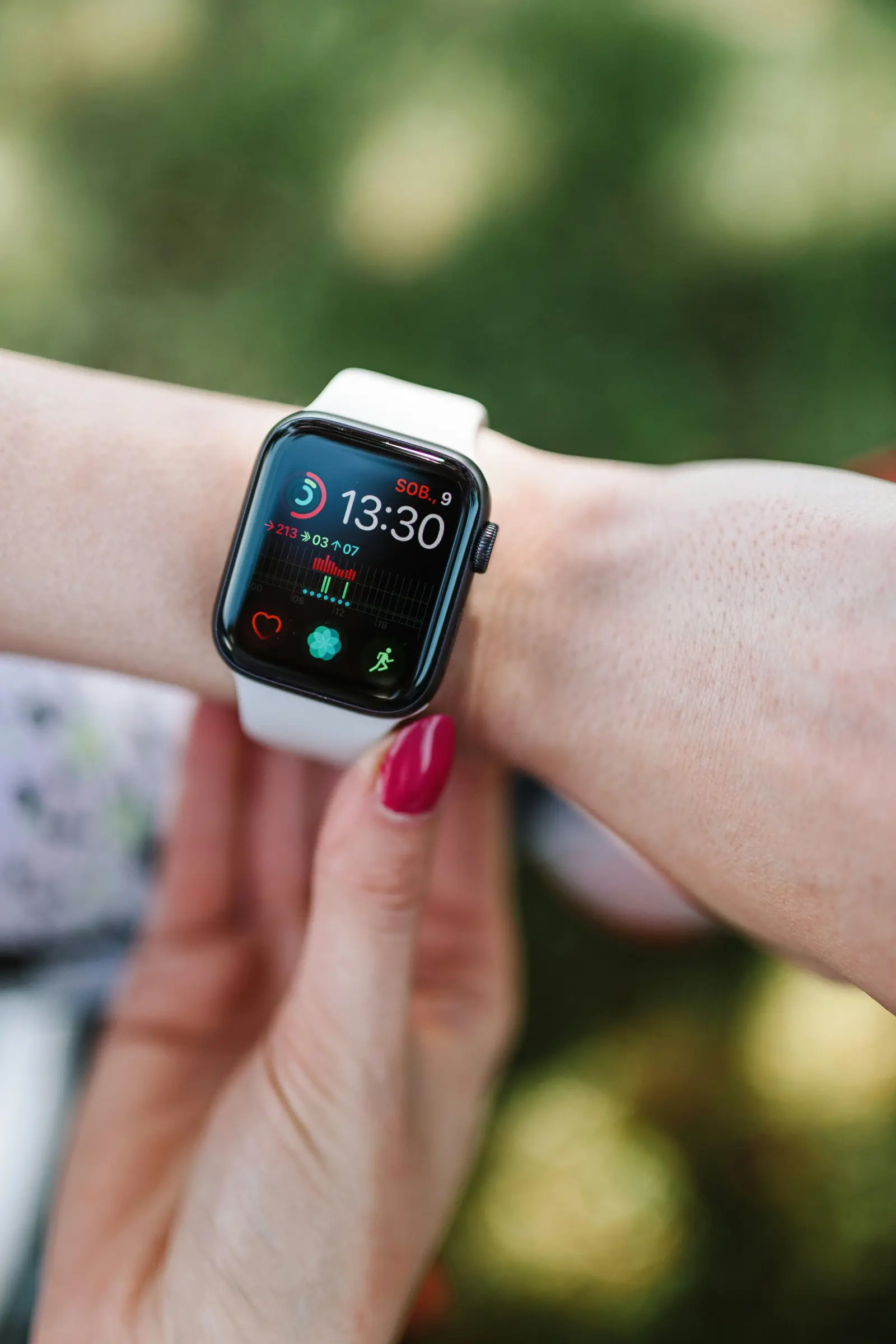
Falls are one of the leading causes of injury for Australians over 60. A fall can happen in seconds; getting help quickly can make the difference between a minor incident and a serious injury with lasting complications. Modern smartwatches with fall detection technology can recognise when you have taken a fall and help alert emergency services or family members immediately.
Understanding Fall Detection Technology
Fall detection relies on advanced motion sensors and accelerometers built into the watch. When you fall, the sensors detect a sudden change in motion and impact with the ground. The device recognises this pattern and can initiate an alert sequence.
How the Process Works
When a watch detects a fall, it typically vibrates and displays a prompt asking if you need help. You have a short window (usually 20 to 30 seconds) to confirm that you are okay and dismiss the alert. If you do not respond, the watch can automatically call your nominated emergency contact or emergency services, depending on your settings.
Why This Matters for Older Adults
If you are alone when you fall, you may be unable to reach your phone or may be injured in a way that makes it difficult to call for help. Fall detection removes this barrier. Even if you do not have a serious injury, lying on the ground for extended periods increases the risk of pressure sores and other complications. Quick assistance is genuinely protective.
Setting Up Fall Detection Safely
If your smartwatch has fall detection, take time to configure it properly. You will need to specify emergency contacts and decide whether the device should contact emergency services or family members first. Test the alert system (without triggering a full emergency call) to ensure you understand how it works.
Important Considerations
- Fall detection is not 100 per cent accurate; it can occasionally miss real falls or false-alarm on sudden movements.
- You must have your watch charged and on your wrist for it to detect a fall.
- Ensure your smartphone is nearby if the watch needs to contact emergency services via your phone.
- Inform your emergency contacts that they may receive alerts and explain what they should do.
- Fall detection should be part of your overall safety plan, not your only precaution.
Other Safety Features to Know
Beyond fall detection, many smartwatches can track irregular heart rhythm (arrhythmia), send alerts if your activity drops unexpectedly, and allow you to call for help with the press of a button. These features work together to create a comprehensive safety net.
A Word About Cost
Smartwatches with fall detection vary in price, and some Australian health insurance schemes or government concession programs may assist with the cost. It is worth asking your GP or checking with your insurer whether support is available.
Important Note
This content is for general information purposes only and does not constitute medical advice. It is not intended to diagnose, treat, cure, or prevent any health condition. Always consult your GP or a qualified healthcare professional before making changes to your health routine, starting a new exercise programme, taking supplements, or trying any new therapy or device, particularly if you have an existing medical condition or are taking prescribed medication. The information presented here is based on generally available research and is not a substitute for professional medical guidance. Individual results vary. Aged Wellness Australia is a referral and information service and does not provide medical or clinical services.