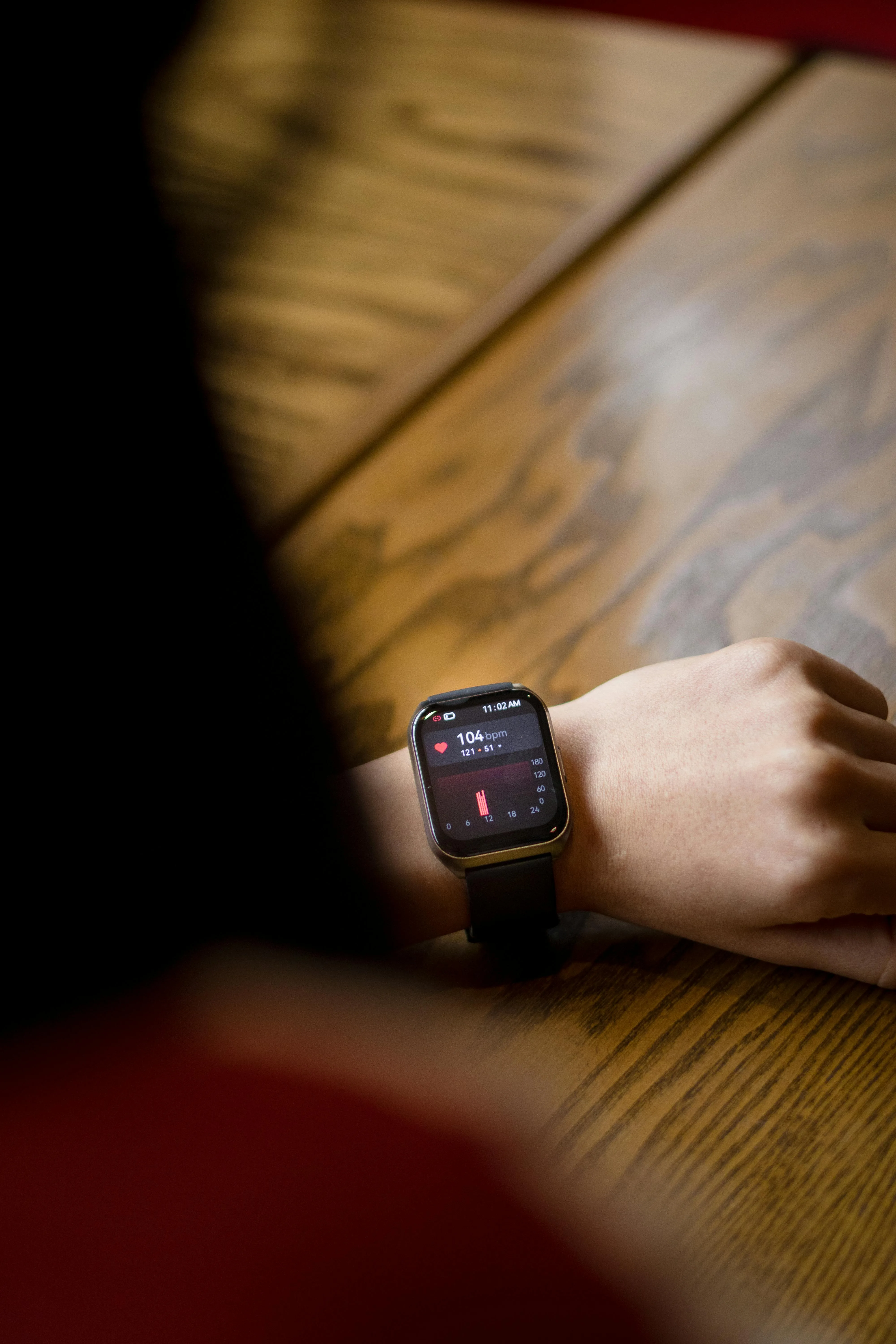
Heart health is a priority at every age, and for many Australians over 60, keeping a close eye on your cardiovascular system is essential. Wearable devices can provide continuous heart rate data, notifications of irregular rhythms, and other metrics that give you and your doctor a clearer picture of how your heart is working.
What Heart Metrics Can Wearables Track?
Resting Heart Rate
Your resting heart rate is measured when you are calm and seated. A rising resting heart rate can sometimes signal stress or overtraining, whilst a stable resting heart rate is often a sign of good cardiovascular fitness.
Heart Rate Variability (HRV)
This is the variation in time between heartbeats. Higher HRV is generally associated with better cardiovascular fitness and stress resilience. Many wearables track HRV to help you understand your overall wellbeing.
Heart Rhythm Monitoring
Some advanced wearables can detect irregular heartbeats and alert you to seek medical attention if an abnormal rhythm is detected. This feature has potentially life-saving significance for people at risk of conditions like atrial fibrillation.
How to Interpret Wearable Heart Data
Wearable data can be illuminating, but it can also be overwhelming if you do not understand what the numbers mean. A few important principles: trends over weeks and months matter more than day-to-day fluctuations, and unusual readings should prompt a conversation with your doctor rather than panic.
Sharing Data with Your GP
One of the most practical uses of wearable heart data is sharing it with your GP. Download your heart rate reports from your wearable device and bring them to your regular appointments. Your doctor can interpret the data in the context of your personal health history and medications, and may suggest adjustments to your health routine if necessary.
When to Seek Urgent Medical Attention
Wearables can alert you to concerning patterns, but they are not a substitute for medical evaluation. Seek urgent medical attention if you experience chest pain, severe shortness of breath, dizziness, or a rapid heartbeat that does not settle with rest. These symptoms warrant immediate attention regardless of what your wearable tells you.
Complementing, Not Replacing, Clinical Care
Wearables are tools to support your health management, not to replace regular check-ups, blood pressure monitoring, or other clinical assessments. Use them as part of a comprehensive approach to heart health that includes balanced diet, regular movement, stress management, and professional medical care.
Practical Advice for Getting the Most from Your Device
- Wear your device consistently for 24 hours a day, including whilst sleeping.
- Establish a baseline of your normal resting heart rate so you can recognise changes.
- Keep a simple log of your daily activities and any symptoms you experience alongside wearable data.
- Review your data weekly, not obsessively; once per week is plenty.
- Discuss the data with your doctor, especially if you notice trends that concern you.
Important Note
This content is for general information purposes only and does not constitute medical advice. It is not intended to diagnose, treat, cure, or prevent any health condition. Always consult your GP or a qualified healthcare professional before making changes to your health routine, starting a new exercise programme, taking supplements, or trying any new therapy or device, particularly if you have an existing medical condition or are taking prescribed medication. The information presented here is based on generally available research and is not a substitute for professional medical guidance. Individual results vary. Aged Wellness Australia is a referral and information service and does not provide medical or clinical services.