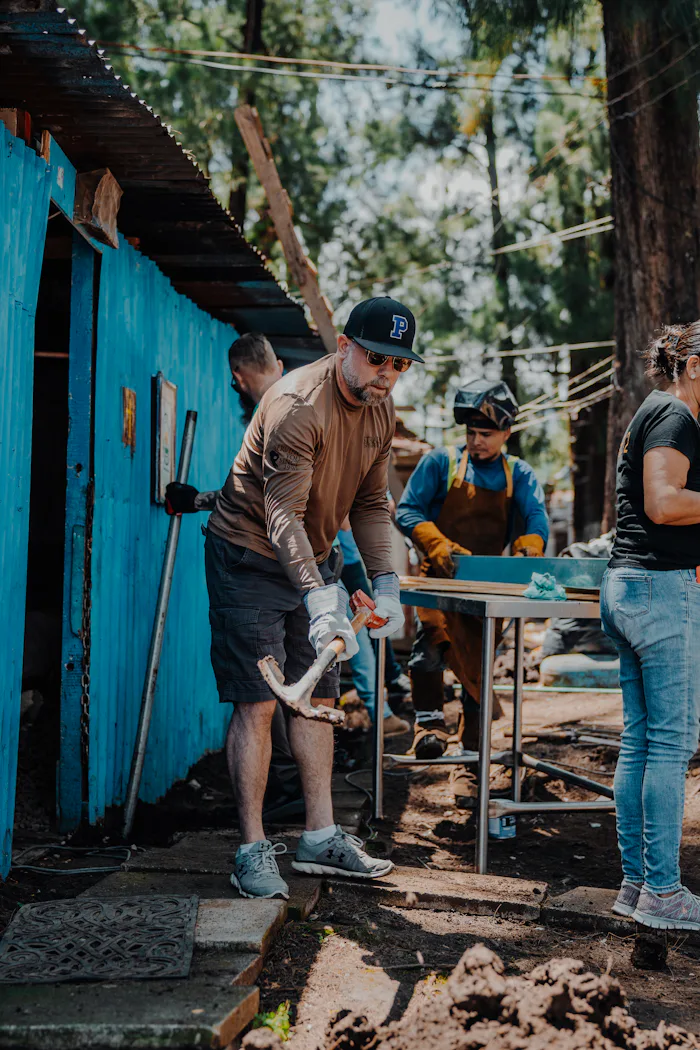
Community groups are where older Australians discover friendship, purpose, and belonging. Whether you're interested in sport, hobby, cultural connection, or service, groups exist throughout Australia designed specifically for people in later life. Finding your people is the first step to a richer retirement.
Why Community Matters
Decades of research confirms that social engagement in structured community settings delivers profound benefits:
- Strong protective effect against depression and anxiety
- Improved cognitive function and reduced dementia risk
- Lower hospitalisation rates and better health outcomes
- Greater life satisfaction and sense of purpose
- Natural friendships formed through shared activities
Types of Groups Available
Sport and Recreation
Golf clubs, lawn bowls, tennis associations, walking groups, aqua aerobics clubs, croquet, cycling, fishing clubs. Most councils provide free or low-cost walking and exercise groups.
Hobby and Interest Groups
Book clubs, gardening societies, photography clubs, woodworking, painting, craft groups, writing circles, history societies, technology groups.
Cultural and Social Groups
Ethnic and cultural associations, language groups, travel clubs, theatre groups, singing and music groups, dance organisations.
Volunteer and Service Groups
Meals on Wheels, community emergency service, neighbourhood centres, aged care visiting, environmental groups, service clubs like Rotary and Lions.
Education and Learning
Adult education through TAFE, University of Third Age (U3A) programmes, community colleges, libraries offering classes.
Health and Wellness Groups
Cardiac rehabilitation, diabetes support, cancer survivors' groups, arthritis and joint groups, mindfulness and meditation circles.
Faith and Spiritual Communities
Churches, synagogues, mosques, temples, Buddhist centres, spiritual discussion groups.
Finding Groups Near You
Start With Your Local Council
Every Australian council operates community programmes. Look for:
- Council websites listing community groups and activities
- Community centres offering classes and information
- Positive Ageing or Seniors Services programmes
- Local noticeboard or printed community calendar
Major Statewide and National Organisations
- Seniors Australia (seniorsaustralia.com.au) — advocacy and event listings
- Volunteering Australia (volunteeringaustralia.org) — volunteer matching
- University of Third Age (U3A) — learning groups throughout Australia
- Aged Care Quality Standards Commission — accessing aged care services
- Your state's Seniors Week organisers (usually occurring in October)
Online Group Finders
- Meetup.com — search your location for groups
- Facebook Groups — search your suburb or interests
- LinkedIn Groups — professional and alumni networks
- Eventbrite — browse local community events
Making the First Visit
Starting a new group can feel daunting. Here is how to set yourself up for success:
- Go at least twice before deciding whether a group is right for you
- Arrive a few minutes early to meet organisers
- Introduce yourself and ask questions about the group's history and focus
- Sit with different people on different visits to meet various members
- Ask people to coffee after the activity
- Be consistent; people remember regulars
Creating a New Group If Nothing Fits
If you cannot find a group matching your interests, consider starting one:
- Partner with another interested person as co-organiser
- Choose a simple, affordable location (library, park, community centre)
- Set a regular time and let word-of-mouth spread
- Use a notice board or social media to advertise
- Most councils will support new community groups
Online Communities for Distance or Mobility
If transportation or mobility is challenging:
- Online hobby groups and discussion forums
- Virtual classes and workshops
- Video-based interest groups
- Phone-based discussion or activity groups
These work best when combined with some face-to-face connection, but provide valuable alternatives.
Building Your Community Engagement Strategy
Rather than joining randomly, think strategically about your ideal community life:
- What activities did you enjoy in your working life?
- What causes matter to you?
- How much time realistically can you commit weekly?
- Do you prefer small intimate groups or larger organisations?
- Is geographical closeness important, or can you travel?
Important Note
This content is for general information purposes only and does not constitute medical advice. It is not intended to diagnose, treat, cure, or prevent any health condition. Always consult your GP or a qualified healthcare professional before making changes to your health routine, starting a new exercise programme, taking supplements, or trying any new therapy or device, particularly if you have an existing medical condition or are taking prescribed medication. The information presented here is based on generally available research and is not a substitute for professional medical guidance. Individual results vary. Aged Wellness Australia is a referral and information service and does not provide medical or clinical services.