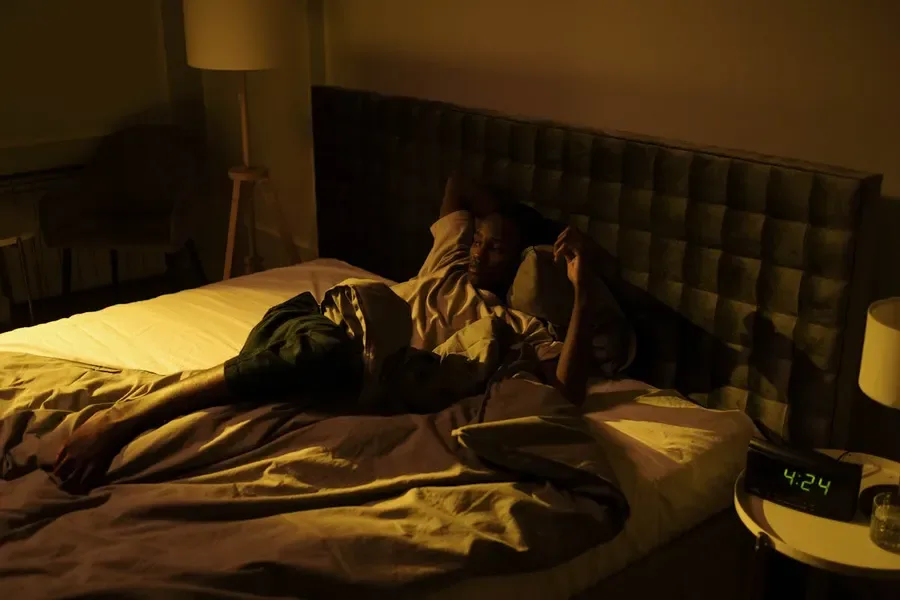
If you have noticed that sleep has become harder to come by as you have moved through your sixties, you are far from alone. The numbers are sobering: more than half of Australians aged over 65 report regular sleep problems, whether difficulty falling asleep, staying asleep, or waking too early. This is not simply a natural part of ageing that has to be accepted in silence. Understanding why sleep changes, and what genuinely helps, can support better rest.
Why Does Sleep Change After 60?
Sleep architecture changes as we age. In younger adults, sleep is dominated by deep, restorative slow-wave sleep; in older adults, this stage becomes shorter and lighter. Circadian rhythms, which regulate the wake-sleep cycle, also shift. Many people find they become tired earlier in the evening and wake earlier in the morning, sometimes much earlier than they would like. This pattern is called advanced sleep phase, and it is entirely normal, although it can be frustrating.
Beyond these natural changes, several common conditions become more prevalent with age and may interfere with sleep quality:
- Sleep apnoea, where breathing temporarily stops during sleep, is increasingly common and often undiagnosed in older adults
- Restless leg syndrome causes uncomfortable sensations in the legs, especially at night, making it hard to settle
- Chronic pain from joint pain or stiffness, back problems, or other conditions can make comfortable sleep positions difficult to find
- Nocturia, or frequent night-time urination, disrupts sleep and is one of the most common sleep complaints in older age
- Medications taken for heart disease, blood pressure, or other conditions can sometimes affect sleep quality
Sleep and Hormonal Change
As oestrogen levels decline in women during and after menopause, sleep problems often emerge. Night sweats and hot flushes can interrupt sleep, and the protective effect of oestrogen on sleep quality is reduced. Men also experience hormonal shifts; declining testosterone can affect sleep architecture and lead to lighter, more fragmented sleep.
What Actually Helps: Evidence-Based Approaches
The good news is that addressing sleep problems in older adults does not always require medication. There is substantial evidence that non-pharmaceutical approaches are often very helpful.
Sleep Hygiene: The Foundation
Sleep hygiene refers to habits and environmental factors that support quality sleep. For older adults, these foundational steps are crucial:
- Keep a consistent schedule: go to bed and wake at the same time every day, even on weekends. This helps regulate your circadian rhythm.
- Create a cool, dark, quiet bedroom. Cooler temperatures support sleep; aim for around 18 degrees Celsius.
- Limit caffeine after mid-afternoon and limit alcohol in the evening; alcohol may seem to help you fall asleep, but it disrupts sleep architecture and tends to leave you feeling less rested.
- Limit screen time in the hour before bed; the blue light from devices can suppress melatonin.
Physical Activity
Regular physical activity is one of the most robust supports for sleep in older adults. Timing matters, however: exercise is best completed by early afternoon, as vigorous evening exercise can be stimulating. Even moderate activity such as a 30-minute walk most days is associated with significantly better sleep quality.
Light Exposure
Your circadian rhythm is powerfully influenced by light exposure. Bright, natural light early in the day helps reinforce a healthy sleep-wake cycle. Morning light exposure is particularly helpful if you find yourself waking too early.
Cognitive and Behavioural Strategies
If you lie awake worrying or your mind races, cognitive behavioural therapy for insomnia (CBT-I) has strong research support. A trained psychologist can teach you techniques to manage racing thoughts and develop healthier associations with bedtime. Your GP can refer you to a psychologist for CBT-I, which may be covered under your Chronic Disease Management Plan.
When Should You See Your GP?
If you have tried sleep hygiene changes for several weeks without improvement, or if your sleep problems are significantly affecting your daily functioning, mood, or safety, see your GP. Sleep problems sometimes signal underlying conditions like sleep apnoea, thyroid dysfunction, or depression, all of which are treatable. Your GP may refer you to a sleep specialist if appropriate.
The Role of Medication
Long-term sleeping tablet use is generally not recommended for older adults due to risks of dependence and side effects. Short-term use under medical supervision may be appropriate for some people. Any medication is best as part of a broader plan that also includes the behavioural changes outlined above.
A Practical Step You Can Take Today
Pick one foundation habit, perhaps a consistent wake-up time, even on weekends, and stick with it for two weeks. Consistency does most of the heavy lifting in improving sleep, and a single steady habit often produces noticeable change.
Important Note
This information is general in nature and is not a substitute for professional medical advice. Please consult your GP before making changes to your health routine.