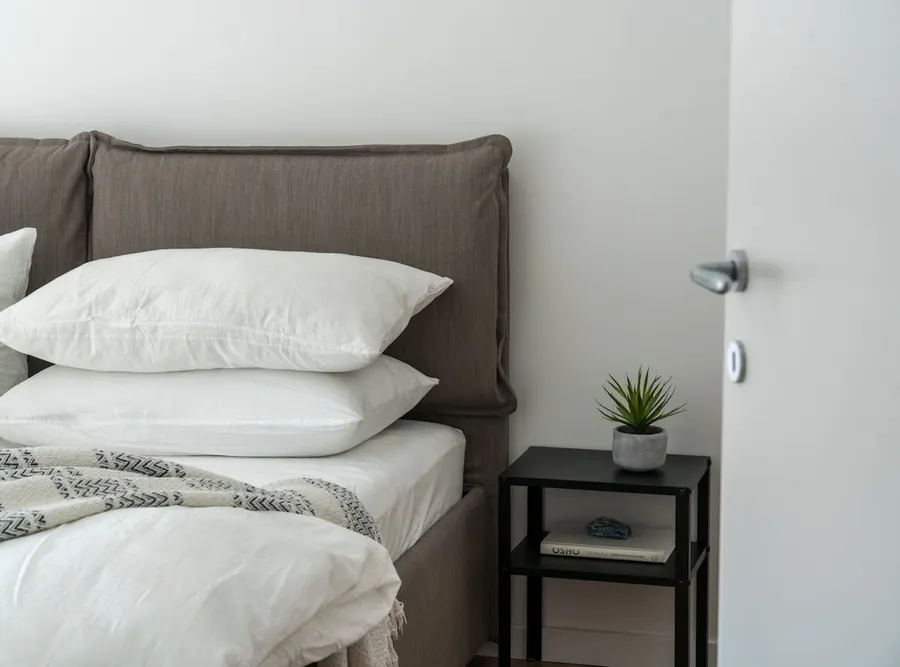
Your bedroom environment has a profound effect on sleep quality. As we age, sleep tends to become more fragile and more easily disrupted by environmental factors. Creating an ideal sleep environment is one of the most practical and cost-effective things you can do to support sleep. The good news is that you do not need to spend a fortune; many of the most useful changes are simple.
Temperature
Temperature is one of the most important environmental factors for sleep. Your body naturally cools as you prepare for sleep, and a cool bedroom supports this process. Researchers consistently report that 16 to 18 degrees Celsius is optimal for most people, although personal preference varies.
If you live in Queensland or another warm climate, maintaining a cool bedroom can be challenging. Strategies include:
- Air conditioning set to a comfortable sleep temperature
- A ceiling fan to create air circulation and a sense of coolness
- Lightweight, breathable bedding such as cotton or bamboo
- Opening windows early in the morning and late in the evening to let cool air in
- Blocking heat from sun during the day with closed blinds or curtains
If you experience hot flushes or night sweats, a cool room is especially important. Moisture-wicking sleepwear may also help.
Darkness
Light is a powerful circadian rhythm regulator. Even small amounts of light can interfere with melatonin production and disrupt sleep. Creating true darkness in your bedroom is important.
Consider these options:
- Blackout curtains or thermal-lined curtains block external light effectively
- A sleep mask is an inexpensive alternative
- Close bedroom doors fully to block hallway light
- Remove or cover any light sources in the room, such as device indicator lights or digital clocks
- If your partner reads in bed, consider a reading light that does not shine on you, or have them read in another room before bed
Quiet
Sleep is easily disrupted by noise, especially as hearing tends to become more acute with age for some sounds. If you live in a noisy environment, consider:
- Earplugs: foam earplugs are inexpensive and effective. It can take a few nights to adjust, but most people quickly adapt.
- White noise machines: these produce consistent background sound that can mask disruptive noises.
- Noise-cancelling earplugs: more expensive but can be very effective.
- Structural solutions: weather stripping on doors and windows, heavy curtains, and soft furnishings can all reduce noise.
- Having a conversation with anyone else in your household about noise during your sleep hours.
Mattress and Bedding
A good mattress is a worthwhile investment, especially as you age. A mattress that is too old, too soft, or too firm can contribute to poor sleep and morning aches. Most mattresses last 7 to 10 years.
When choosing a mattress, consider:
- Support for your particular sleep position. Side sleepers may prefer a softer mattress; back sleepers often do better with a firmer one.
- Your weight and any joint or back issues. A mattress that suits one person may not suit another.
- Trying before you buy. Many shops allow you to lie on mattresses for several minutes.
Pillows matter too. As you age, the right pillow support becomes increasingly important for neck and spine alignment. Choose pillows that keep your head and neck in a neutral position, aligned with your spine.
Bedding should be comfortable and appropriate for your climate. Cotton or bamboo sheets are breathable and comfortable. If you are prone to night sweats, moisture-wicking bedding can help.
Air Quality
Good air quality supports better sleep. Ensure your bedroom is well ventilated. In allergy season, keep windows closed during times when pollen counts are high, and consider an air purifier if you have allergies or sensitivities.
Bedroom Use
Your bedroom is best reserved primarily for sleep and intimacy. Avoid using your bedroom as an office or workspace, especially if you work late into the evening. The association between bedroom and work can make it harder to switch off mentally at bedtime.
Similarly, avoid watching television or scrolling through your phone in bed. These activities, especially the blue light from screens, are stimulating rather than sleep-promoting.
Scent and Atmosphere
Some people find that certain scents support sleep. Lavender is the most commonly used, and some research supports its relaxing effect. You might try:
- A few drops of lavender essential oil on your pillow
- Lavender sachets placed near your pillow
- A diffuser in your bedroom (turn it off before sleep if it makes noise)
Experiment to see if scent helps you; it does not work for everyone.
Making Gradual Changes
You do not need to change everything at once. Prioritise the factors that you believe are most disrupting your sleep. If heat is your main problem, focus on temperature control. If noise is the issue, start with earplugs or white noise. Make changes gradually, and notice what makes the biggest difference for you.
A Practical Step You Can Take This Week
Walk through your bedroom tonight with fresh eyes and ask: what is keeping me awake? Pick one fix, perhaps a sleep mask, a fan, or moving the digital clock out of your line of sight, and try it for two weeks before adding anything else.
Important Note
This information is general in nature and is not a substitute for professional medical advice. Please consult your GP before making changes to your health routine.