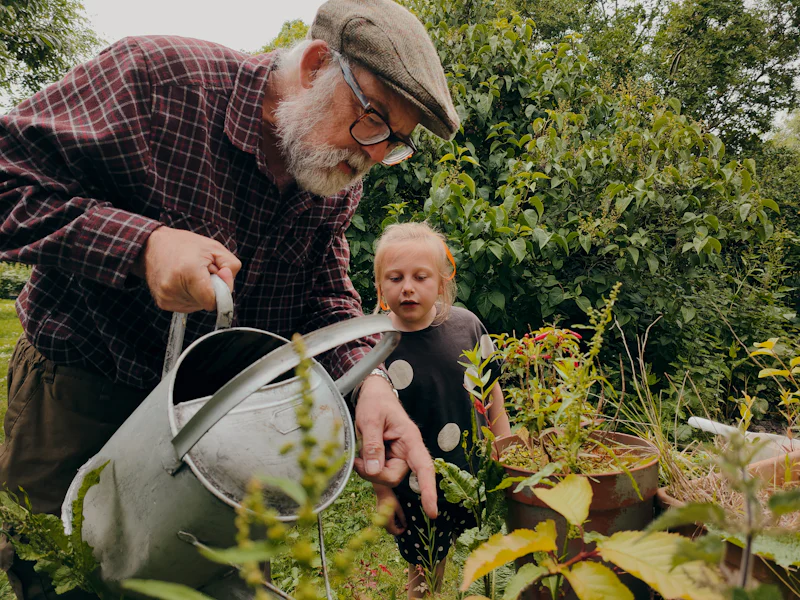
Gardening is one of the most rewarding activities for physical and mental wellbeing, but it can be hard on ageing joints. Digging, kneeling, reaching, and gripping place repetitive stress on hands, knees, hips, and the lower back. If you have joint pain or stiffness, gardening does not have to be off limits; it just benefits from some practical modifications. This guide will help you garden comfortably and safely.
Why Gardening Is Good for You (Despite the Risks)
Gardening combines gentle activity, problem-solving, and a sense of accomplishment. It supports cardiovascular health, helps maintain muscle, and is associated with better mental wellbeing. The key is doing it in a way that does not leave you injured or sore for days afterwards.
Protect Your Knees: Avoid Kneeling
Kneeling places a lot of pressure on knee joints and can worsen ongoing joint pain. Better options include:
- Use a sturdy, seat-height garden bench or stool to sit while weeding or planting
- If you must kneel, do so only briefly and use knee pads or a garden kneeling pad to cushion the joint
- Raise planting beds off the ground to reduce bending and kneeling
- Use raised planters at waist height for vegetables and flowers
Raised beds are one of the most useful modifications. You can build them from timber or buy pre-made kits. They make gardening enjoyable again for many people with joint pain.
Protect Your Back: Lift and Bend Properly
The lower back bears a lot of stress during gardening. Many people injure their backs by lifting soil bags or large pots incorrectly.
Proper lifting:
- Bend your knees, not your back, when lifting anything heavy
- Keep the load close to your body
- Never twist while holding weight; step with your feet instead
- Avoid lifting bags heavier than 10 to 15 kilograms
- Ask someone to help, or buy soil and potting mix in smaller quantities
For digging or raking, use ergonomic tools with extended handles that let you work while standing, rather than bending far forward.
Protect Your Hands and Wrists: Use the Right Tools
Gripping tools tightly for long periods can aggravate hand and wrist joints. Modifications include:
- Use tools with thick, cushioned handles that require less grip force
- Choose secateurs and pruning tools with ratchet or lever mechanisms (these need less grip strength)
- Take frequent rest breaks; do not work for hours without stopping
- Wear padded gardening gloves for protection and added cushioning
- Alternate between different activities rather than repeating the same task for long stretches
- Soak your hands in warm water after gardening to ease stiffness
Protect Your Hips and Ankles: Stay Safe and Stable
Uneven ground, pots, and hoses create tripping hazards. Falls are a major injury risk for older Australians.
Stay safe:
- Clear paths and work areas of tripping hazards
- Wear sturdy garden shoes with good grip and ankle support, not flip-flops or sandals
- Avoid working on sloped ground if you have balance concerns
- Use a walking stick or garden cane for balance if needed
- Avoid working in fading light; work in daylight or use outdoor lighting
Work Smarter: Schedule and Pace Yourself
Overexertion is a common cause of injury. Build gardening time gradually.
Smart scheduling:
- Work for 20 to 30 minutes, then rest for 10 to 15 minutes
- Spread heavy tasks across several days, not one big day
- Avoid gardening two days in a row if you experience pain; give joints time to recover
- Work in cool morning or late afternoon; midday heat stresses your body
- Drink plenty of water to stay hydrated
A Practical Step You Can Take Today
If kneeling is your biggest stumbling block, plan one specific change this week, for example, ordering a sturdy gardener's stool or a single raised planter. One supportive piece of equipment often changes how much you can comfortably do in a session.
Important Note
This information is general in nature and is not a substitute for professional medical advice. Please consult your GP before making changes to your health routine.