As the cooler months settle in, coughs and colds tend to circulate more freely, and for older Australians a winter illness can sometimes be more serious than it would have been in earlier years. Vaccination is one of the simplest ways to give your body extra support through the season. Here is a plain English guide to the main vaccines available to people aged 60 and over, and why they matter.
Why immunity changes as we age
Our immune system does a remarkable job for decades, but it tends to respond a little differently as we grow older. This is a normal part of ageing, and it is one reason why illnesses such as influenza can hit harder later in life. Vaccines are designed to help your body prepare, so that if you do meet a virus, you may be better placed to cope.
The main vaccines to ask about
Under the National Immunisation Program, several vaccines are funded for older Australians. The influenza vaccine is recommended each year, and it is free for people aged 65 and over. The shingles vaccine, given as a two dose course, is funded for those aged 65 and over, and helps reduce the risk of a painful condition that becomes more common with age. The RSV vaccine, which helps guard against a respiratory virus, is funded for people aged 75 and over, and for Aboriginal and Torres Strait Islander people from age 60. Eligibility and timing can change, so it is always worth checking the current details with your GP or pharmacist.
When and where to go
Many people find early autumn to late autumn a good time to organise their flu vaccine, so that protection is in place as winter arrives, though it is still worthwhile later in the season. You can usually be vaccinated at your GP clinic or at a local pharmacy, and it is often possible to have more than one vaccine arranged around the same period. Your GP can help you sort out what is right for you and when.
A word on common worries
It is natural to have questions. Some people worry that the flu vaccine will give them the flu, which it cannot do, though a mild, short lived reaction such as a sore arm is not unusual and tends to settle quickly. If you have had a reaction in the past, or you take medicines that affect your immune system, mention this to your GP so they can guide you. The aim is always to make a calm, informed choice that suits your health.
Small habits that help too
Vaccination works best alongside the everyday habits that help keep winter bugs at bay. Washing your hands well, especially before meals and after being out and about, remains one of the simplest and most effective steps. Staying warm, eating nourishing food, and keeping up gentle activity all support your general wellbeing through the colder months. It also helps to see your GP early if you feel unwell, rather than waiting, since a timely check can make a real difference. If you are unsure whether you are due for a COVID booster as well, your GP or pharmacist can let you know what is currently recommended for your age group.
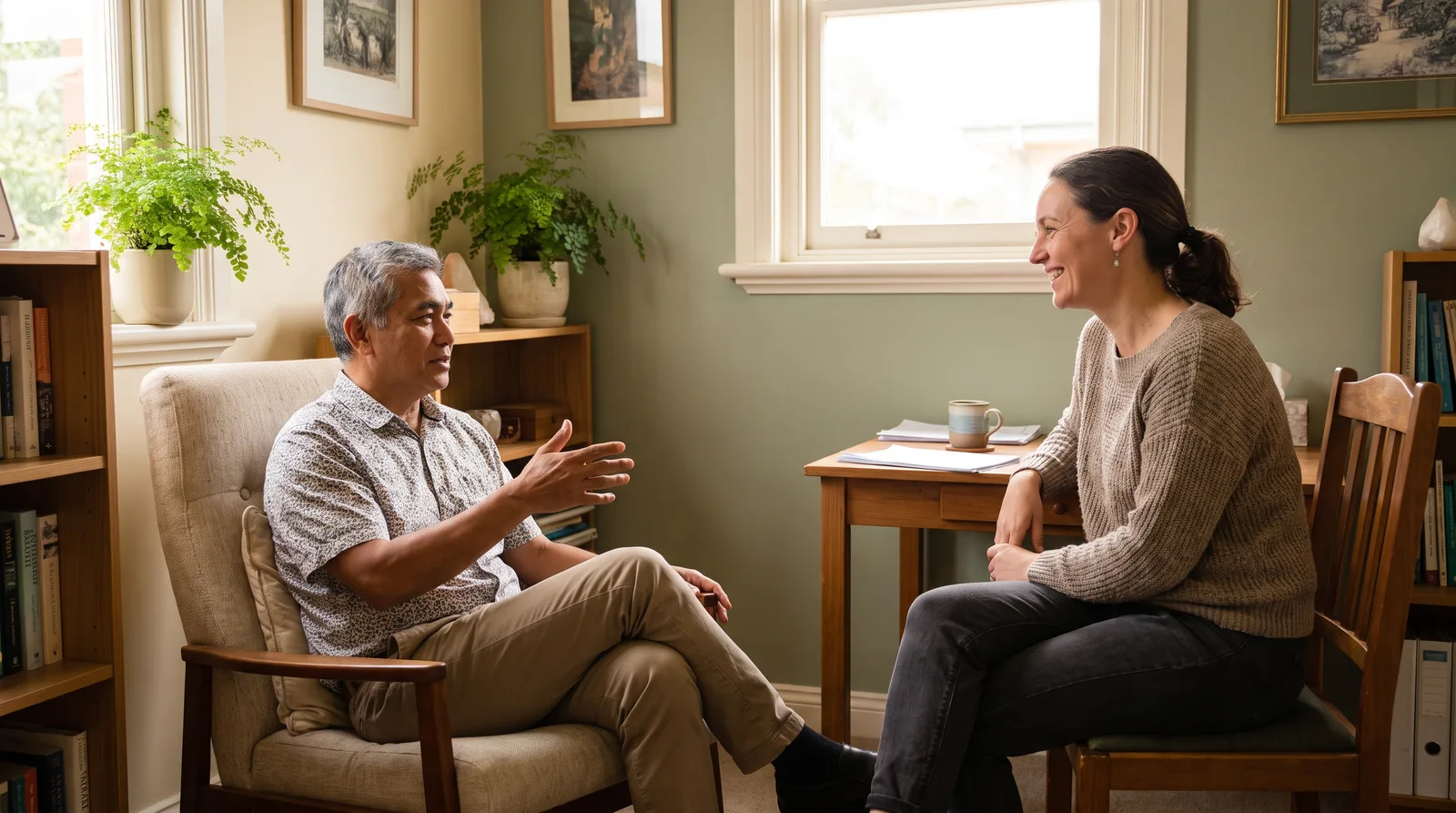
A short conversation with your GP or pharmacist is the best next step. Ask which vaccines you are due for this year, and let them help you plan a simple schedule for the season ahead.
Important Note
This article is general information only. Vaccine eligibility and recommendations can change. Please speak with your GP or pharmacist about what is right for you.