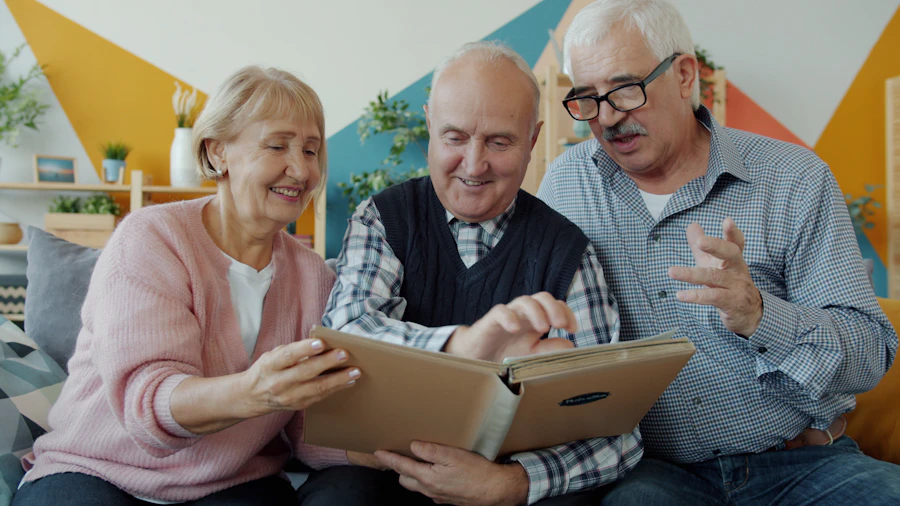
You may have heard that loneliness is bad for your health. The evidence goes further than casual advice: loneliness is recognised as a measurable risk factor for cognitive decline and dementia, with some research suggesting an impact on the same scale as established risk factors like smoking or obesity. Conversely, strong social connections appear to be powerfully supportive for brain health. Understanding this connection can be a real motivator to prioritise relationships and community engagement.
Loneliness and Cognitive Decline: The Research
Studies have consistently found that socially isolated and lonely older adults tend to experience higher rates of cognitive decline and dementia. A landmark study following older adults for over a decade reported that those who described feeling lonely experienced cognitive decline equivalent to about five additional years of ageing. That is a substantial effect.
Loneliness is distinct from solitude. You can be alone without feeling lonely, and you can feel lonely in a crowd. It is the subjective feeling of disconnection that appears to affect brain health.
Why Does Social Connection Support the Brain?
Cognitive Stimulation
Social interaction requires multiple cognitive processes: you listen, process language, formulate responses, recognise emotions, and coordinate behaviour. This cognitive demand keeps your brain active. People who are socially engaged tend to maintain sharper cognitive skills.
Reduced Stress and Inflammation
Social connection appears to buffer against stress. Loneliness, by contrast, activates stress systems and is associated with chronic inflammation. Chronic brain inflammation is associated with cognitive decline. Social engagement is associated with reduced inflammation and supports brain health.
Emotional Wellbeing
Depression and anxiety are associated with cognitive decline. Social connections support emotional wellbeing, helping protect against depression and anxiety. A sense of belonging and purpose, which often comes from social engagement, is associated with healthier brain ageing.
Motivation for Healthy Behaviours
People with strong social connections are often more likely to exercise, eat well, sleep well, and maintain other health-promoting behaviours. These lifestyle factors themselves support the brain.
Types of Social Connection That Matter
Close Relationships
Regular contact with family and close friends provides emotional support and intimacy. Even brief regular contact, such as a weekly phone call, can be valuable.
Community Engagement
Volunteering, participating in community groups, religious or spiritual communities, hobby groups, or exercise classes all provide social engagement and a sense of purpose.
Intergenerational Connections
Contact with people of different ages, including younger family members or through mentoring, provides cognitive stimulation and a sense of purpose.
Pets
Pet ownership and interaction with pets can provide social engagement and emotional connection. Pet owners tend to be more active and socially engaged.
Practical Steps to Increase Social Connection
Reconnect With Friends and Family
If you have drifted from friends or family, this is a good time to reconnect. A phone call, text message, or email is a great starting point. Do not wait for the other person to initiate.
Join Groups or Classes
Participate in groups aligned with your interests. This might include hobby groups, exercise classes, book clubs, art classes, or learning groups. Many communities offer affordable options for older adults.
Volunteer
Volunteering provides purpose, social connection, and cognitive stimulation simultaneously. Organisations need volunteers, and you have skills and experience to offer.
Use Technology
Video calls with family members can be particularly valuable, as they include visual and verbal cues. Do not discount technology as a bridge to connection.
Attend Religious or Spiritual Services
If spirituality is important to you, regular attendance at services combines spiritual engagement, social connection, and community.
Take Classes or Pursue Learning
Joining a class provides both cognitive stimulation and social interaction. Universities and community colleges often offer courses designed for older adults.
If You Are Struggling With Isolation
If you are isolated or lonely, it is important to reach out. Talk to your GP, who can assess whether depression is contributing and suggest local resources and support services. Many communities have services specifically designed to connect isolated older adults.
A Practical Step You Can Take Today
Make one outreach today. A phone call to someone you have been meaning to contact, an email to an old friend, or an enquiry to a local community group is enough. Small acts of connection compound over time.
Important Note
This information is general in nature and is not a substitute for professional medical advice. Please consult your GP before making changes to your health routine.